
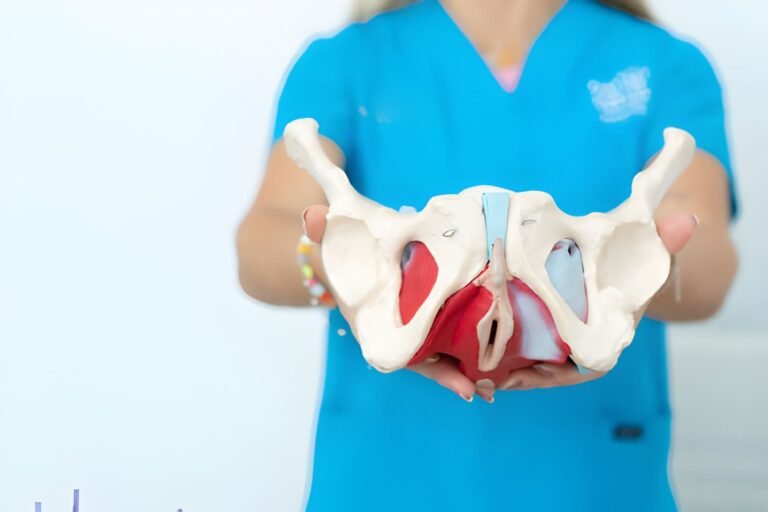
What to Expect Immediately After Pelvic Organ Prolapse Surgery
After pelvic organ prolapse surgery, you can expect some discomfort, pelvic pressure, and tiredness. Many people experience vaginal spotting, mild cramping, and temporary difficulty with bowel movements. These early symptoms are normal and usually improve within the first few weeks.
You may have dissolvable stitches and internal support mesh, depending on your procedure. A catheter may be used for a short time if your bladder needs support while swelling settles.
Your Recovery at Home
Recovery varies depending on the type of surgery, but most people need around six to twelve weeks for full healing. Rest is vital in the early days, and gradually increasing movement helps improve circulation and reduce complications.
How to Care for Yourself at Home
Listen to your body and avoid pushing through pain. Gentle mobility, hydration, and a balanced diet support the healing process.
Activity Guidance
Move regularly, but avoid strenuous activities. Key points include:
- Avoid lifting anything heavier than 5–7 kg for at least six weeks.
- Short walks are encouraged, increasing distance gradually.
- Avoid high-impact exercise, running, and heavy household tasks until cleared by your clinician.
- Driving should only resume when you are comfortable performing an emergency stop.
Diet for Recovery
Medicines
You may be prescribed pain relief, stool softeners, or antibiotics. Take medications exactly as directed. Avoid anti-inflammatory medicines unless approved, as they may interfere with healing in some cases.
Incision and Wound Care
If you have abdominal incisions, keep them clean and dry. Vaginal stitches dissolve on their own and do not require removal. Avoid using vaginal products, tampons, or douches during recovery. Report any unusual discharge or increasing pain.
Additional Instructions
- Avoid sexual activity for at least six weeks or until given clearance.
- Use sanitary pads rather than tampons for any postoperative spotting.
- Do not use hot tubs, swimming pools, or baths until fully healed.
When to Call for Help
Contact a healthcare professional urgently if you experience:
- Heavy bleeding or passing large clots.
- Fever, chills, or signs of infection.
- Severe pain not relieved by medication.
- Difficulty urinating or no urine output.
- Persistent nausea or vomiting.
- Sudden swelling or pain in the legs.
If you are in immediate danger, call emergency services on 999.
Understanding Pelvic Organ Prolapse Surgery
Pelvic organ prolapse surgery repairs weakened pelvic floor structures. It can involve lifting and supporting organs such as the bladder, uterus, or bowel. Techniques may include vaginal repair, hysterectomy, or abdominal support procedures.
What Happens After Surgery?
Most people stay in hospital for one to two days. You will be encouraged to walk soon after the operation to reduce the risk of clots. A bladder check may be carried out before you go home.
Complications to Be Aware Of
Most recoveries are smooth, but complications may occur, including bleeding, infection, urinary difficulties, constipation, or recurrence of prolapse. Early recognition and prompt treatment help prevent more serious issues.
How Long Does Recovery Take?
Full recovery typically takes between six and twelve weeks. Internal healing continues for several months, so avoid high-impact exercise or heavy lifting for at least three months.
How to Aid Your Recovery
Supporting your body during healing can significantly improve outcomes. Key strategies include:
- Resting when you feel tired.
- Staying hydrated and maintaining soft bowel movements.
- Wearing loose, breathable clothing.
- Following pelvic floor therapy guidance.
Exercising After Pelvic Organ Prolapse Surgery
Low‑impact movement such as walking is ideal. Avoid resistance training until approved. Once healed, pelvic floor exercises can strengthen the muscles supporting pelvic organs and help prevent recurrence.
Mental Health and Emotional Wellbeing
Surgery can be emotionally challenging. Feeling tired, anxious, or frustrated during recovery is normal. Prioritise rest, seek social support, and speak with your healthcare provider if you feel overwhelmed.
What to Avoid During Recovery
- Lifting heavy items.
- Straining on the toilet.
- High-intensity workouts.
- Long periods of sitting or standing without movement.
- Driving too early.
Returning to Work
Most people return to work within four to eight weeks, depending on job demands. Roles involving heavy lifting or significant physical activity may require a longer recovery period.
Follow-Up Appointments
A check-up is usually recommended around six weeks post-surgery to assess healing and discuss your recovery progress. Attend all scheduled appointments to ensure the best long-term results.
Pelvic Prolapse Exercises
Pelvic floor exercises help strengthen the muscles supporting the pelvic organs. Once you have been cleared to begin them, practice regularly to improve continence, reduce pressure symptoms, and support long‑term pelvic health.
In Summary
FAQs
When can I resume sexual activity?
Sexual activity is usually safe after six weeks, but always check with your healthcare provider first.
Is vaginal bleeding normal after surgery?
Light bleeding or spotting is normal for a few weeks. Heavy bleeding or large clots should be assessed urgently.
Can prolapse return after surgery?
There is a small chance of recurrence, but pelvic floor exercises and lifestyle adjustments reduce this risk.
When can I drive again?
You can drive once you are pain‑free, off strong pain medication, and able to perform an emergency stop comfortably.
How soon can I start pelvic floor exercises?
These are usually started after your initial recovery phase. Your clinician can advise on safe timing based on your surgery type.