Myomectomy: What You Need to Know
Why Myomectomy Is Done
Fibroids can cause heavy periods, pelvic pressure, infertility, anaemia and discomfort during sex. Myomectomy aims to improve these symptoms and preserve fertility. Many women consider it if medication is ineffective or if fibroids interfere with daily life or reproductive plans.
Research, Education and Insights
Research continues to explore the impact of myomectomy across ages and fibroid types. Studies show that women over 40 can still benefit, particularly when symptoms affect quality of life. Ongoing medical education helps refine minimally invasive techniques, improving outcomes and reducing complications.
Fibroid Locations
Fibroids can occur in several areas of the uterus:
- Submucosal – inside the uterine cavity
- Intramural – within the uterine wall
- Subserosal – on the outer surface of the uterus
- Pedunculated – attached by a stalk
The location affects symptoms and determines which surgical method is most suitable.
Types of Myomectomy
Abdominal Myomectomy
This open procedure uses a larger incision in the lower abdomen. It is preferred for multiple, deep or very large fibroids. Recovery usually takes longer but provides direct access for complex cases.
Laparoscopic Myomectomy
This minimally invasive approach uses small incisions and a camera. It results in less pain, quicker recovery and minimal scarring. It is ideal for smaller or moderately sized fibroids.
Robotic Myomectomy
A more advanced form of laparoscopy, robotic surgery offers enhanced precision and flexibility. It can help surgeons remove fibroids in challenging positions while maintaining a minimally invasive approach.
Hysteroscopic Myomectomy
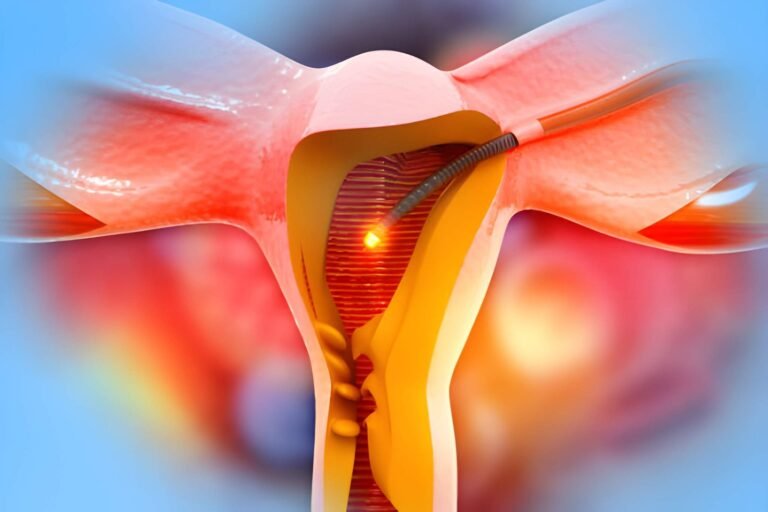
Used for submucosal fibroids, this procedure involves inserting instruments through the vagina and cervix. No external incisions are needed, making recovery faster than other methods.
How to Prepare for Myomectomy
Preparation helps ensure a smooth procedure and recovery. Key steps include:
- Reviewing medications with your healthcare provider
- Blood tests and imaging scans
- Stopping smoking if applicable
- Arranging support for the initial recovery period
Other Things to Know Before Surgery
Myomectomy may affect future pregnancies, depending on the size and location of the fibroids removed. In some cases, a planned caesarean may be recommended later. Discuss family planning and expectations ahead of surgery.
What to Expect During the Procedure
During the surgery, fibroids are carefully removed and the uterus is repaired. Anaesthesia is used for all types of myomectomy. Duration varies depending on the number and size of fibroids.
After the Surgery
Recovery times differ:
- Hysteroscopic: 1–2 days
- Laparoscopic or robotic: 2–4 weeks
- Abdominal: 4–6 weeks
You may experience mild pain, bloating and temporary spotting. Follow your surgeon’s advice on rest, wound care and activity restrictions.
Results and Long-Term Outlook
Frequently Asked Questions
Can fibroids grow back after myomectomy?
Yes, new fibroids may appear in future because the surgery removes existing fibroids but not the tendency to develop them.
Is myomectomy better than hysterectomy?
Myomectomy preserves the uterus, making it the preferred choice for women who wish to maintain fertility or avoid hysterectomy, depending on their health needs.
How long does the surgery take?
Most procedures last between one and three hours, depending on technique and fibroid complexity.
Will I need a caesarean birth after myomectomy?
Some women are advised to have a caesarean in future pregnancies, especially if the uterine wall was deeply incised.
Is myomectomy painful?
Some discomfort is expected, but pain management strategies are used to keep postoperative pain under control.