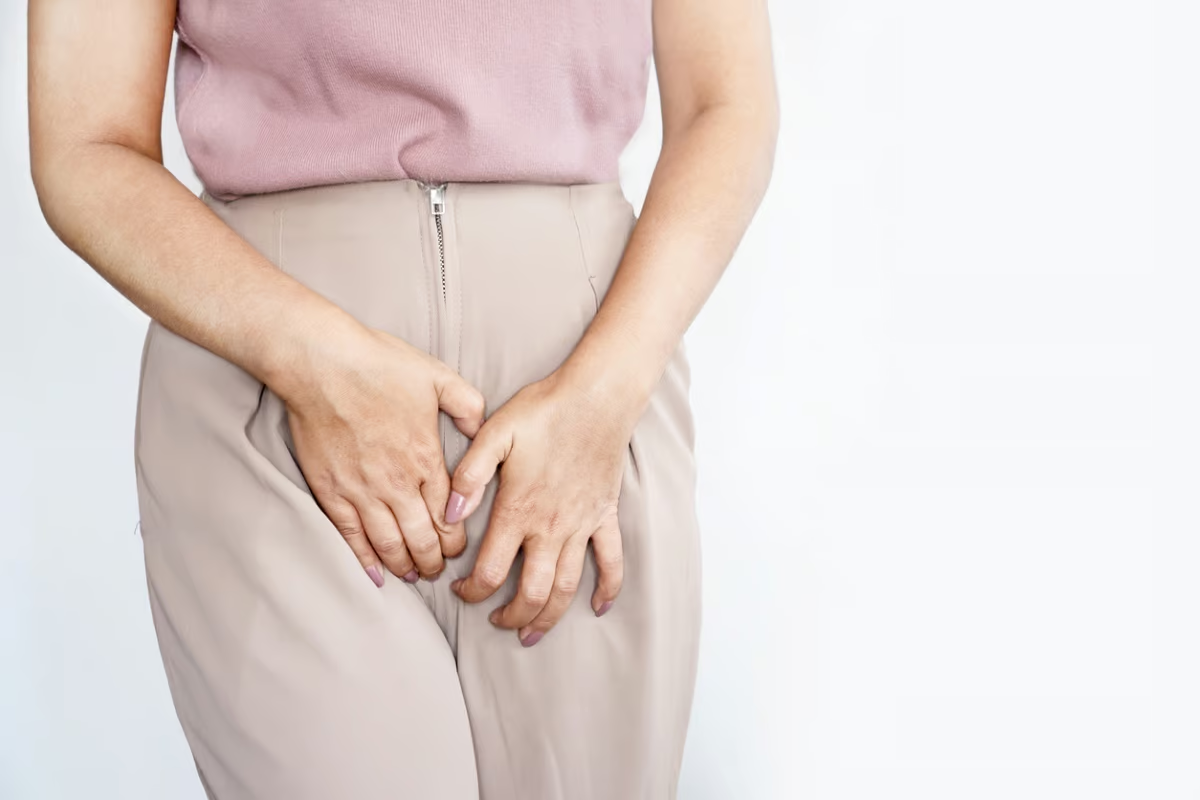
Vaginal dryness occurs when the vagina or surrounding tissues do not have enough natural moisture, causing discomfort, irritation, itching or pain during sex. Common causes include declining estrogen levels during menopause, perimenopause and breastfeeding, certain medications, insufficient sexual arousal and irritating intimate hygiene products.
Treatment depends on the underlying cause. Vaginal moisturizers can help relieve ongoing dryness, while personal lubricants reduce friction during sexual activity. For estrogen-related symptoms, a gynecologist may recommend low-dose vaginal estrogen or another appropriate prescription treatment. Persistent symptoms should be assessed to identify the cause and guide treatment.
What Is Vaginal Dryness?
Vaginal dryness is a common condition that occurs when the vaginal lining and surrounding tissues do not maintain adequate moisture and lubrication. It can develop at any age, although it is particularly common during perimenopause and after menopause.
Estrogen helps maintain vaginal tissue thickness, elasticity and the natural vaginal environment. When estrogen levels fall, the tissues may become thinner, less elastic and more prone to irritation. This can cause a condition known as genitourinary syndrome of menopause (GSM) when associated with menopause-related changes affecting the genital and urinary systems.
Vaginal dryness may also occur because of medications, breastfeeding, irritation or other health conditions. Identifying the likely cause is important because not every type of dryness requires hormonal treatment.
What Does Vaginal Dryness Feel Like?
The sensation of vaginal dryness varies from woman to woman. They may include:
-
- Dryness, itching, burning, or irritation around the vaginal opening or vulva.
-
- Soreness or a feeling of tightness during everyday activities.
-
- Discomfort or pain during penetration.
-
- Light spotting after sex. Do not assume bleeding is caused by dryness without assessment.
-
- Urinary urgency, frequency, or recurrent urinary tract infections in some people, particularly when symptoms occur alongside menopause-related tissue changes.
Unusual discharge, persistent burning, new urinary symptoms, or unexplained bleeding should be assessed by a healthcare professional.
Who Can Experience Vaginal Dryness?
Vaginal dryness can occur at different ages. It is more common during perimenopause and after menopause, but it can also occur after childbirth, during breastfeeding, with certain medicines, or because of irritation or another health condition. Reduced lubrication during sexual activity can also be related to arousal, stress, discomfort, or relationship factors. Ongoing dryness should not automatically be attributed to stress or arousal alone.
What Causes Vaginal Dryness?
There are several reasons a woman may experience vaginal dryness. The most common include:
1. Lower Estrogen Levels
Estrogen helps maintain vaginal tissue thickness, elasticity, and moisture. When estrogen levels fall, tissues may become thinner, drier, and more sensitive. This can happen during perimenopause and menopause, breastfeeding or the postpartum period, some cancer treatments, or treatments and medical conditions that affect ovarian hormone production.
Menopause-related symptoms can persist even after other menopausal symptoms have improved.
2. Breastfeeding & Postpartum Changes
Estrogen levels can remain lower after childbirth, especially while breastfeeding. Some people experience dryness or discomfort during sex during this period. Symptoms may change over time, but persistent or severe discomfort should be discussed with a gynecologist. Non-hormonal options may be suitable, and prescription treatment should be considered only after an individualized assessment.
3. Medicines & Medical Treatments
Some antidepressants, antihistamines and other medicines with drying effects, hormonal contraceptives in some individuals, and anti-estrogen treatments may contribute to dryness or reduced lubrication. Chemotherapy, pelvic radiation, and certain hormone-blocking cancer treatments can also affect vaginal tissues.
Do not stop or change prescribed medication on your own. If symptoms began after starting a medicine, ask your treating clinician whether it could be contributing and whether alternatives are appropriate. People receiving cancer treatment should discuss options with their oncology team and gynecologist.
4. Irritating Intimate Products
Perfumed soaps, vaginal deodorants, scented intimate washes, and douching can irritate sensitive tissues. The vagina cleans itself naturally and does not need internal cleansing. Gently wash the external genital area and stop using products that trigger irritation.
5. Insufficient Arousal During Sex
Natural lubrication usually increases with sexual arousal. If arousal is limited, lubrication may be lower and friction may increase. Allowing more time for arousal and using a suitable lubricant may help. However, dryness at other times or persistent pain may have a different cause and should be assessed when needed.
6. Other Health Conditions
Conditions such as Sjögren’s syndrome can cause dryness in several parts of the body. Vulvar skin conditions and vaginal infections may also cause itching, burning, or soreness that can be mistaken for dryness. An assessment helps distinguish between these possibilities.
How Is Vaginal Dryness Diagnosed?
A gynecologist will usually start by asking about symptoms, medical history, medicines, menstrual changes, menopause, childbirth or breastfeeding, pain during sex, urinary symptoms, and products or treatments already tried.
A pelvic examination may be recommended to assess the vaginal and vulvar tissues and look for signs of irritation, tissue changes, infection, or another condition. The examination should be guided by clinical need, your consent, and your comfort.
Not everyone needs laboratory tests. Depending on symptoms and examination findings, a clinician may recommend a vaginal swab or other investigations. Hormone blood tests are not routinely needed to diagnose typical menopause-related vaginal dryness, although testing may be appropriate if another cause is suspected.
What Is The Best Treatment For Vaginal Dryness?
There is no single best treatment for everyone. The right option depends on the likely cause, severity, medical history, preferences, and treatment risks.
| Treatment Option | What It Does | Useful For |
|---|---|---|
| Personal Lubricant | Reduces friction during sexual activity | Discomfort during sex |
| Vaginal Moisturizer | Helps relieve ongoing dryness between sexual activities | Regular symptom management |
| Low-Dose Vaginal Estrogen | Treats estrogen-related changes in vaginal tissues | Selected patients with menopause-related symptoms |
| Vaginal Prasterone (DHEA) | Prescription vaginal treatment for selected symptoms | Certain cases of menopause-related painful sex |
| Oral Ospemifene | Prescription medicine that acts on estrogen receptors | Selected postmenopausal patients with painful sex related to tissue changes |
These options are not interchangeable. A clinician can explain likely benefits, risks, contraindications, and alternatives. Availability and approved use may vary by country.
Non-Hormonal Treatments For Vaginal Dryness
Non-hormonal treatments can help relieve dryness and discomfort without using estrogen.
1. Vaginal Moisturizers
Vaginal moisturizers are designed to relieve ongoing dryness and help maintain moisture between sexual activities. Depending on the product, they may be used every few days or according to the product instructions and clinician’s advice. Some products contain hyaluronic acid or other moisturizing ingredients. Choose a product specifically formulated for vaginal use, and avoid ordinary body lotions or perfumed creams.
2. Personal Lubricants
Personal lubricants reduce friction during sexual activity and may make intercourse more comfortable.
-
- Water-based lubricants: Easy to wash off and compatible with many sexual health products.
-
- Silicone-based lubricants: Often last longer and may be useful when additional lubrication is needed.
If you use latex condoms, avoid oil-based lubricants because they can weaken latex. Lubricants help during sexual activity, while vaginal moisturizers are intended for ongoing dryness. Some people benefit from using both.
Lifestyle and Irritant Avoidance
Avoid douching, vaginal deodorants, scented intimate washes, and products that cause irritation. Gentle external washing may help reduce discomfort. If dryness mainly occurs during sex, allowing more time for arousal and using a suitable lubricant may improve comfort.
Hormonal Treatments For Vaginal Dryness
1. Low-Dose Vaginal Estrogen
Low-dose vaginal estrogen may be recommended for dryness caused by reduced estrogen, particularly during menopause. Depending on the prescribed product, it may be available as a vaginal cream, tablet, or ring. It acts locally on vaginal tissues to improve symptoms and tissue health.
Anyone with a history of breast cancer or another hormone-sensitive condition should discuss the potential benefits, risks, and alternatives with their treating clinician and, where appropriate, their oncology team.
2. Vaginal Prasterone (DHEA)
Vaginal prasterone is a prescription treatment that may be used for selected cases of painful intercourse associated with menopause-related tissue changes. A clinician should assess whether it is suitable.
3. Oral Ospemifene
Ospemifene is a prescription medicine that acts on estrogen receptors. It may help selected postmenopausal patients with painful intercourse associated with vaginal tissue changes. It is not suitable for everyone, so its risks, contraindications, and availability should be discussed with a qualified clinician.
Important: Prasterone and ospemifene should not be described as universally hormone-free or suitable for every patient. Prescription treatments require individualized medical assessment.
4. Topical (Local) Vaginal Oestrogen
Low-dose vaginal oestrogen is applied or administered directly into the vagina, depending on the prescribed formulation. It helps treat menopause-related vaginal tissue changes and can improve dryness, irritation, and discomfort during sex. It is available in formulations such as vaginal creams, tablets, or rings, depending on the product and local availability.
5. Systemic Oestrogen Therapy
Systemic oestrogen therapy delivers oestrogen throughout the body and may be prescribed for eligible women experiencing broader menopausal symptoms, such as hot flushes and night sweats. It can also help improve menopause-related vaginal dryness, but it is not usually prescribed solely for vaginal symptoms when local treatment is appropriate.
Systemic hormone therapy requires an individualized assessment of medical history, potential benefits, and risks. Whether a progestogen is also needed depends on factors such as whether the uterus is present and the type of hormone therapy used.
If You’ve Had Breast Cancer
If you have a history of breast cancer, choosing a treatment for vaginal dryness requires individualized medical advice, particularly if your cancer was hormone-sensitive or you are taking endocrine therapy. Non-hormonal vaginal moisturizers and lubricants are generally considered first-line options.
If symptoms persist despite non-hormonal treatment, low-dose vaginal estrogen may be considered for selected patients after discussing the potential benefits and risks with their gynecologist and oncologist. The decision should take your cancer history and current treatment into account.
Do not start or avoid a prescription treatment solely on the basis of general online advice. Consult your treating healthcare team to identify the safest option for you.
Additional Treatments for Persistent Pain
-
- Vaginal dilators: May be recommended under professional guidance for selected patients experiencing vaginal narrowing, pelvic floor muscle tightness, or difficulty with penetration. They are not a routine treatment for vaginal dryness alone.
-
- Topical lidocaine: May be recommended for certain causes of vulvar pain, such as vulvodynia. It does not treat vaginal dryness itself and should be used only when appropriate for the diagnosed condition.
Alternative Approaches and Self-Care
-
- Use unscented soaps and avoid vaginal douching
-
- Wear breathable cotton underwear
-
- Stay sexually active, as it promotes blood flow and tissue integrity
- Engage in open communication with your partner
Not sure when to seek medical help? Learn when to see a doctor for vaginal dryness and recognize the warning signs that need medical attention.
Complications Of Untreated Vaginal Dryness
If vaginal dryness persists without appropriate management, it may affect daily comfort, sexual wellbeing, and quality of life. Possible complications and associated symptoms include:
-
- Chronic irritation and discomfort: Ongoing dryness may cause itching, burning, soreness, and irritation around the vaginal opening.
-
- Pain during intercourse: Reduced lubrication and sensitive vaginal tissues can cause friction, discomfort, or pain during penetration.
-
- Small tissue injuries or spotting: Fragile tissues may be more prone to irritation or minor bleeding. Unexplained bleeding should always be medically assessed, particularly after menopause.
-
- Urinary symptoms: Some women, especially those experiencing genitourinary syndrome of menopause (GSM), may also have urinary urgency, discomfort, or recurrent urinary tract infections. Vaginal dryness does not automatically cause an infection.
-
- Emotional distress and reduced intimacy: Persistent discomfort or painful sex may affect confidence, relationships, and sexual wellbeing.
If symptoms persist, worsen, or interfere with everyday life, consult a gynecologist to identify the cause and discuss suitable treatment.
Can Vaginal Dryness Be Prevented?
Lifestyle measures can help reduce irritation and support vaginal comfort, but they may not prevent vaginal dryness or reverse hormone-related changes in vaginal tissues.
-
- Avoid Irritants: Skip douching, vaginal deodorants, and perfumed intimate washes. Clean the external genital area gently; do not clean inside the vagina.
-
- Reduce Friction: Choose comfortable clothing and underwear that do not irritate your skin.
-
- Use Products As Directed: Choose moisturizers and lubricants made for vaginal use. Stop using a product if it causes burning, itching, or irritation.
-
- Allow Time For Arousal When Relevant: If symptoms mainly occur during sex, more time for arousal and a suitable lubricant may help. Persistent pain still deserves assessment.
-
- Stay Adequately Hydrated: Drinking enough water supports general health, but extra water has not been proven to treat hormonal vaginal dryness.
-
- Seek Care When Symptoms Persist: Book a gynecology appointment if dryness continues, affects daily life, causes pain, or does not improve with suitable self-care.
Read our article: Does Drinking Water Help Vaginal Dryness
Frequently Asked Questions About Vaginal Dryness
1. Is vaginal dryness a sign of menopause?
2. Can vaginal dryness occur in younger women?
3. What is the difference between vaginal moisturizers and lubricants?
4. Can vaginal dryness go away on its own?
5. Can drinking more water help with vaginal dryness?
Vaginal Dryness Assessment: Consult an Experienced Vaginal Dryness Doctor in Dubai
If you are experiencing discomfort, irritation, or pain related to vaginal dryness, seeking professional care is the first step toward relief. Consulting a qualified vaginal dryness doctor in Dubai ensures you receive an accurate diagnosis and treatment plan tailored to the underlying cause, whether hormonal changes, menopause, or other medical factors.
Dr. Mahsa Aghaei provides comprehensive evaluation and personalized treatment options to help restore vaginal health and improve your comfort and quality of life. Her approach includes medical assessment, hormone evaluation when needed, and evidence-based treatment options designed to address your specific symptoms safely and effectively.
Schedule your consultation with Dr. Mahsa Aghaei today to receive expert care and personalized treatment for vaginal dryness in Dubai.
Medical Reviewer
Dr. Mahsa Aghaei
Gynecologist in Dubai with over 15 years of experience in women’s health.
Medical Disclaimer
This article is for educational purposes only and does not replace professional medical advice, diagnosis, or treatment. Consult a qualified healthcare professional for personalized guidance on vaginal dryness and its treatment.