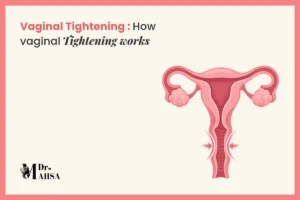
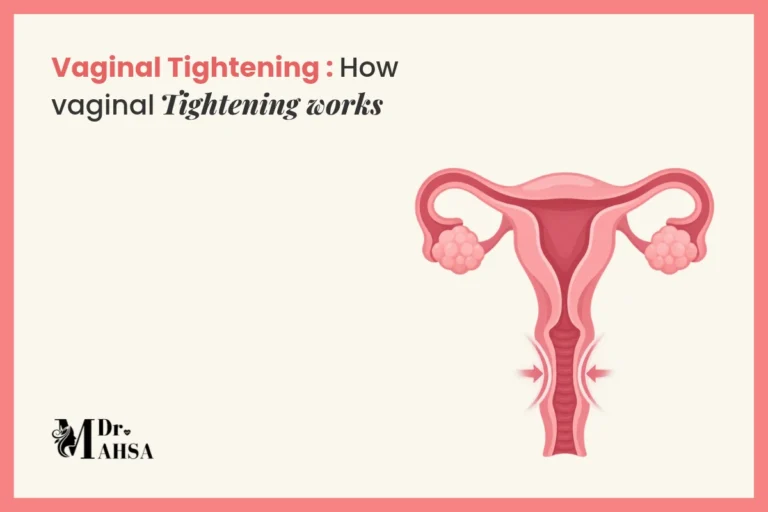
If you have noticed changes in vaginal sensation or a feeling of vaginal looseness after childbirth, with age, or alongside pelvic-floor symptoms, you may be wondering how vaginal tightening works and which treatment options may help.
Vaginal tightening is a broad term used to describe treatments intended to improve vaginal support, address tissue changes, or relieve a feeling of laxity. However, there is no single vaginal tightening procedure. The most appropriate approach depends on the underlying cause and may include pelvic-floor physiotherapy, surgery to repair stretched or damaged tissues, or, in selected cases, treatment for pelvic-organ prolapse.
Non-surgical options such as vaginal laser and radiofrequency treatments are also marketed for vaginal tightening. These energy-based procedures aim to stimulate tissue changes through controlled heating, but evidence supporting their long-term effectiveness and safety remains limited. They should not be considered equivalent to established treatments, and their suitability requires careful medical assessment.
Understanding how vaginal tightening works for different conditions is therefore an important first step. A gynaecological evaluation can help identify whether changes in vaginal sensation are related to pelvic-floor muscle function, childbirth-related tissue changes, hormonal changes, or another condition. This allows treatment decisions to focus on your symptoms, medical needs, and the evidence supporting each option.

What Is Vaginal Tightening?
“Vaginal tightening” is not a single medically defined treatment. It is a general term used to describe different approaches intended to improve a woman’s feeling of vaginal laxity, vaginal support, or changes around the vaginal opening.
You may also see the phrase vaginal rejuvenation used online. ACOG describes this as a marketing term rather than a specific medical diagnosis or procedure. It may refer to vaginoplasty, perineoplasty, laser treatments, radiofrequency treatments or combinations of procedures.
This distinction matters because these treatments do very different things.
For example:
- Pelvic-floor exercises work on muscle strength and coordination.
- Pelvic-floor physiotherapy assesses and retrains the muscles supporting the vagina and pelvic organs.
- Perineoplasty repairs tissues around the vaginal opening and perineum.
- Vaginoplasty surgically alters the vaginal canal.
- Laser or radiofrequency devices deliver energy to vaginal tissue with the proposed aim of stimulating tissue remodelling.
None of these should automatically be considered the right treatment simply because someone describes their vagina as feeling “loose.”
How Does Vaginal Tightening Work?
The answer depends on which structure is actually contributing to the symptoms.
The vagina is supported by a combination of:
- vaginal tissue
- connective tissue
- pelvic-floor muscles
- the perineum
- surrounding pelvic support structures
Pregnancy, vaginal childbirth, ageing, hormonal changes and pelvic-floor disorders can affect these structures differently. That means two women who both describe a sensation of vaginal looseness may need completely different approaches.
1. Pelvic-floor strengthening works on the muscles
The pelvic-floor muscles sit underneath the pelvic organs and help support the vagina, bladder, uterus and bowel. After pregnancy and childbirth, these muscles may become stretched or weakened.
When muscle weakness is contributing to symptoms, pelvic-floor exercises may improve strength and control. A pelvic-floor physiotherapist can also assess whether exercises are being performed correctly because some women unintentionally bear down rather than contract the muscles.
This approach does not physically make the vaginal canal smaller. Instead, it improves the muscular support around it.
2. Surgical tightening physically changes tissue
Surgical procedures work differently.
A perineoplasty may repair or reinforce stretched or damaged tissues around the vaginal opening and perineum.
A vaginoplasty may involve surgically reducing or repairing parts of the vaginal canal.
These procedures physically alter anatomy rather than relying on muscle strengthening.
ACOG cautions, however, that cosmetic vaginal procedures have limited high-quality evidence regarding effectiveness and carry potential risks including bleeding, infection, scarring, pain, altered sensation, painful intercourse and the possibility of further surgery.
Surgery therefore requires careful assessment of whether there is a genuine structural or functional problem rather than simply a cosmetic concern.
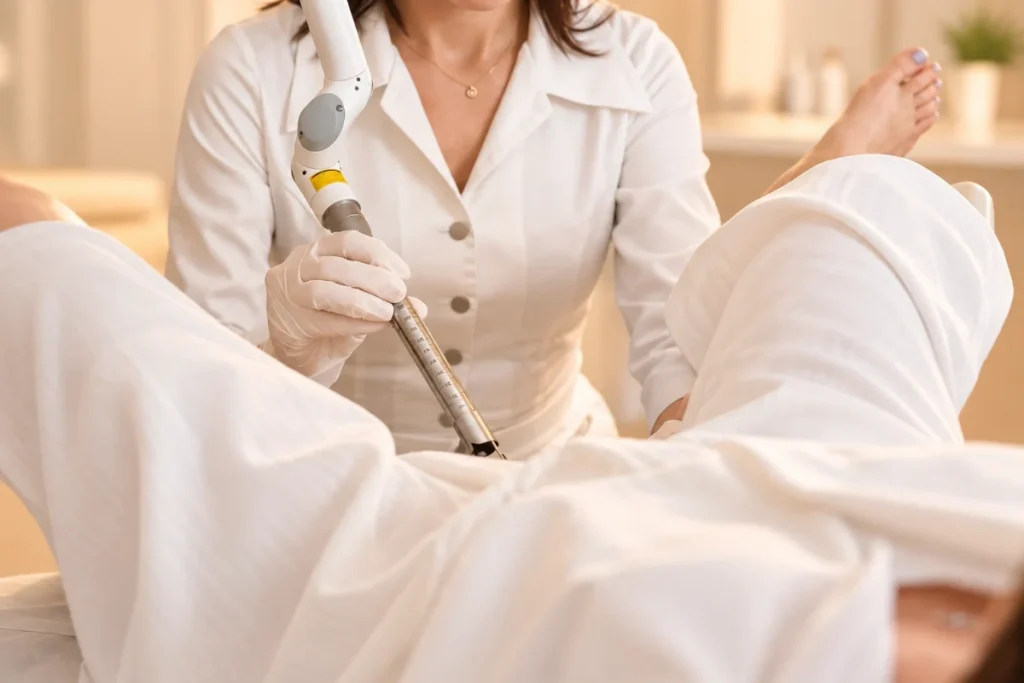
3. Laser vaginal tightening uses thermal energy
Laser devices used inside the vagina commonly use technologies such as CO₂ or Er:YAG lasers.
The proposed mechanism involves delivering controlled energy to tissue. The resulting heat is intended to trigger tissue repair and collagen remodelling, which has led to claims that vaginal tissue may become firmer or more elastic.
The biological idea is understandable. The clinical evidence is less certain.
AUGS has reported that energy-based devices have shown some promise for symptoms described as vaginal laxity, but there is no standard anatomical definition of vaginal laxity and relatively few well-designed clinical trials.
A 2026 systematic review similarly found that although some studies reported improvements after laser or radiofrequency treatments, much of the available evidence comes from observational studies with substantial risk of bias. The authors concluded that better-quality, larger randomised studies are still needed.
4. Radiofrequency works through controlled heating
Radiofrequency devices use electrical energy to generate heat within tissue.
Like laser treatment, the theory is that controlled heating may stimulate collagen and tissue remodelling.
Again, that proposed mechanism should not be confused with proven long-term clinical benefit.
AUGS has noted that radiofrequency has shown promise for vaginal laxity in some studies, but also highlights the limited number of well-designed trials and lack of a standard definition for the condition itself.
Why Can the Vagina Feel Different After Childbirth or With Age?
A feeling of vaginal looseness does not necessarily mean that the vagina itself has become permanently “stretched.” Several structures can contribute to the sensation.
1. Pregnancy and vaginal childbirth
Pregnancy places increased pressure on the pelvic floor, and vaginal birth stretches the vaginal opening, perineum and surrounding muscles.
After childbirth, some women notice:
- reduced pelvic-floor strength
- a different sensation during sex
- changes around the vaginal opening
- urinary leakage
- heaviness or pressure
- a feeling that the vagina is more open than before
Some of these changes improve naturally as tissues recover. Others may relate to pelvic-floor muscle weakness, birth injuries or changes in pelvic support.

2. Perineal stretching or tearing
The perineum is the area between the vagina and anus. It can stretch considerably during childbirth and may sometimes tear or require an episiotomy. If the tissues heal differently after delivery, a woman may notice a change in the vaginal opening or sensation.
That is not the same thing as weakness throughout the entire vaginal canal.
3. Pelvic-floor weakness
Pelvic-floor muscles can become weaker after pregnancy and childbirth. This can contribute to urinary symptoms, reduced support and changes in sensation during intercourse. The good news is that muscle weakness is often something that can be assessed and treated without surgery.
4. Pelvic-organ prolapse
Sometimes a feeling of looseness is actually related to pelvic-organ prolapse. This happens when the tissues supporting the bladder, uterus, bowel or vaginal walls become weakened, allowing one or more structures to bulge downward.
Women with prolapse may describe:
- vaginal pressure
- heaviness
- a bulging sensation
- feeling as though something is coming down
- urinary symptoms
- bowel symptoms
- vaginal laxity
- discomfort during sex
ACOG specifically notes that some women with prolapse report a feeling of looseness within the vagina. In this situation, a cosmetic “tightening” procedure may miss the real problem.
5. Hormonal changes and menopause
Falling estrogen levels around and after menopause can affect vaginal tissue. The tissue may become thinner, drier and less elastic, a group of changes known as genitourinary syndrome of menopause, or GSM.
Symptoms may include dryness, irritation, discomfort during sex and urinary problems. These symptoms should not automatically be interpreted as vaginal laxity. Treatments such as moisturisers, lubricants and, where appropriate, vaginal estrogen may be more relevant than tightening procedures.
How Is Vaginal Laxity Assessed?
There is no single test or measurement that can tell a woman whether her vagina is “too loose.” In fact, one of the challenges with this area of medicine is that vaginal laxity does not have a universally accepted anatomical definition.
That makes the consultation particularly important.
Your doctor will first ask what has actually changed
A useful assessment starts with your symptoms.
You may be asked:
- When did you first notice the change?
- Did it begin after childbirth?
- Do you feel pressure or heaviness?
- Is there a vaginal bulge?
- Do you leak urine?
- Have bowel movements changed?
- Has sex become less comfortable?
- Are you experiencing vaginal dryness?
- Is the concern mainly physical sensation, appearance or sexual function?
- Have you had significant vaginal tears or an episiotomy?
- How long has it been since you gave birth?
These questions help separate several problems that patients sometimes describe using the same word: “looseness.”
A pelvic examination may be useful
Your gynecologist may assess:
- the vaginal walls
- the vaginal opening
- the perineum
- previous birth injuries or scars
- pelvic-floor muscle function
- evidence of pelvic-organ prolapse
- signs of vaginal dryness or hormonal change
If pelvic-floor dysfunction appears to be part of the problem, assessment by a pelvic-floor physiotherapist may also be useful.
Not every concern needs a procedure
This is one of the most important parts of the assessment.
A patient may arrive asking about vaginal tightening treatment but discover that the main issue is pelvic-floor muscle weakness.
Another may have prolapse.
Another may have discomfort related to menopause.
Another may simply have normal anatomical variation and no medical problem requiring intervention.
The treatment should follow the diagnosis, not the marketing name of the procedure.
What Are the Vaginal Tightening Treatment Options?
There is no single best treatment because the right option depends on what is causing the symptoms.
1. Pelvic-floor exercises
Pelvic-floor exercises, often called Kegel exercises, involve repeatedly contracting and relaxing the muscles that support the pelvic organs.
They may help improve:
- pelvic-floor strength
- bladder control
- bowel control
- aspects of sexual function
However, technique matters. Doing pelvic-floor exercises incorrectly may provide little benefit, and some women actually tighten these muscles too much rather than having true weakness. A pelvic-floor assessment can help clarify what type of exercise is appropriate.
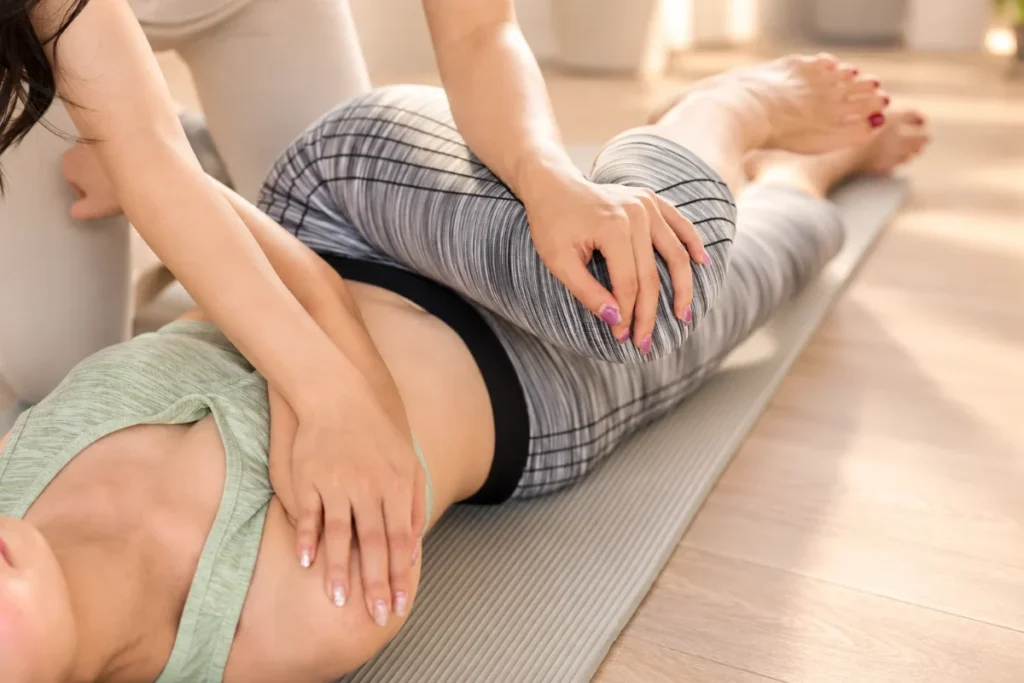
2. Pelvic-floor physiotherapy
Pelvic-floor physiotherapy goes beyond being told to “do Kegels.” A physiotherapist may assess muscle strength, coordination, relaxation and how the muscles respond during movement.
Treatment can then be adapted to the findings. For women after childbirth, this may be particularly useful when symptoms include urinary leakage, pelvic heaviness, discomfort, weakness or altered sensation.
3. Treatment for pelvic-organ prolapse
If prolapse is contributing to the feeling of vaginal laxity, management may include:
- pelvic-floor exercises
- a vaginal pessary
- lifestyle measures
- surgery in selected cases
ACOG recommends matching prolapse treatment to the woman’s symptoms and how much they affect her quality of life.
4. Surgical vaginal tightening
Surgical procedures such as perineoplasty or vaginoplasty may be considered in carefully selected women, particularly when there is a structural problem following childbirth or another clinical indication. Surgery physically modifies tissue and can therefore produce a more direct anatomical change than exercises or energy-based procedures. But that also means greater potential risk.
Possible complications include:
- bleeding
- infection
- scarring
- pain
- painful intercourse
- changes in sensation
- dissatisfaction with the result
- need for additional surgery
Women considering these procedures should receive a clear explanation of what is being repaired, why surgery is being recommended and what evidence supports the expected outcome.
5. Non-surgical vaginal tightening with laser or radiofrequency
Laser and radiofrequency treatments are often marketed as quick, non-surgical solutions. They are usually performed by inserting a treatment device into the vagina and delivering controlled energy to the tissue.
The proposed effect is collagen remodelling and tissue change. But patients should know the other side of the story.
ACOG states that the FDA has not approved laser or other energy-based devices for vaginal cosmetic surgery or “vaginal rejuvenation.” Reported risks have included vaginal burns, scarring, pain during intercourse and persistent pain.
Professional guidance also continues to highlight gaps in evidence, including limited long-term safety data, variable treatment protocols and a lack of strong trials demonstrating sustained benefit.
This does not mean that research has shown these technologies never have an effect. It means the evidence is not strong enough to treat marketing claims as established medical fact.
How Laser Vaginal Tightening Works
Laser treatment sounds intimidating. In reality, it’s quite controlled. A specialised device delivers gentle laser energy inside the vaginal canal. This energy heats tissue safely. That heat triggers collagen renewal. The tissue gradually becomes firmer and more supported. Sessions are usually short. Discomfort is minimal for most women. No cutting. No stitches. Doctor will explain the process step by step so there are no surprises.
When Should You See a Gynecologist?
A change in vaginal sensation is not usually an emergency, but it is worth discussing if it is persistent or affecting your comfort, confidence, bladder function or sex life.
Consider speaking with a gynecologist if you notice:
- a feeling of vaginal looseness that persists after postpartum recovery
- urinary leakage
- vaginal pressure or heaviness
- a bulge at or outside the vaginal opening
- pain during sex
- difficulty with bowel movements
- significant vaginal dryness or irritation
- discomfort around a previous tear or episiotomy
- symptoms that are affecting your quality of life
It is particularly useful to have an assessment before booking a vaginal tightening procedure. A symptom that sounds cosmetic may sometimes have a pelvic-floor, prolapse, hormonal or structural explanation.
If you are discussing these concerns with a gynecologist in Dubai, the consultation should focus first on identifying the cause rather than assuming that laser, surgery or another tightening treatment is automatically necessary.
What to Expect When Discussing Vaginal Tightening
You do not need to feel embarrassed about bringing this up. Changes after childbirth, ageing and menopause are common reasons women seek gynecological advice.
1. First, explain what “loose” means to you
This may sound obvious, but it is important. Different women use the word “loose” to describe very different things.
You might mean:
- sex feels different
- the vaginal opening looks wider
- your pelvic-floor muscles feel weaker
- you feel pressure internally
- tampons feel different
- you have urinary leakage
- something feels as though it is bulging downward
The more specific you can be, the more useful the assessment becomes.
2. Your doctor may perform a pelvic examination
The examination can help assess the pelvic floor, vaginal walls, perineum and any evidence of prolapse or previous birth injury. If the concern appears primarily muscular, pelvic-floor physiotherapy may be recommended before considering a procedure.
3. If a procedure is being considered, ask what exactly it is treating
This is especially important because vaginal tightening procedures are not interchangeable.
Useful questions include:
- What is causing my symptoms?
- Which tissue or structure is this treatment intended to change?
- Are there non-surgical alternatives?
- What evidence supports this procedure?
- How long are any benefits expected to last?
- What are the potential complications?
- Will future pregnancy or childbirth affect the result?
- What happens if the treatment does not help?
For laser or radiofrequency treatment, it is also reasonable to ask whether the intended use is specifically approved by the relevant regulator and what long-term safety evidence is available.
4. After childbirth, timing matters
The early postpartum period involves substantial healing. Pelvic-floor muscles, the perineum and vaginal tissues continue to recover after delivery, so an immediate decision about cosmetic tightening may be premature.
If symptoms continue, assessment can help establish whether rehabilitation, more recovery time or treatment for a specific pelvic-floor problem is needed.
Frequently Asked Questions About Vaginal Tightening