Menopause: What You Need to Know
Menopause is a natural transition marking the end of menstrual cycles. For many women, it brings a mix of physical, emotional and hormonal changes that can feel overwhelming. Understanding what happens in your body, how symptoms develop, and the treatment options available can help you feel more in control during this stage of life.
What Is Menopause?
Menopause occurs when your ovaries stop releasing eggs and your periods stop permanently. It is confirmed after 12 consecutive months without a menstrual period. This shift signals the end of fertility, but it can also bring a range of symptoms due to declining hormone levels.
The Three Stages of Menopause
Perimenopause: The transition leading up to menopause. Hormones fluctuate and symptoms such as hot flushes, period changes and mood shifts may appear.
Menopause: Officially reached when 12 months have passed since your last period.
Postmenopause: The years after menopause. Symptoms may continue, and long-term health risks linked to low hormone levels become more relevant.
What Is Premature Menopause?
Premature menopause happens before the age of 40. It can occur naturally or result from medical treatments. Women who experience it may need additional support and treatment due to long-term health considerations.
What Is the Average Age for Menopause?
The average age is around 51, though anywhere between 45 and 55 is typical. Genetics, lifestyle and medical history influence timing.
How Long Does Menopause Last?
The transition can last several years. Perimenopause often lasts four to eight years. Some symptoms ease within a few years, while others may continue longer.
Symptoms and Causes
What Are the Signs of Menopause?
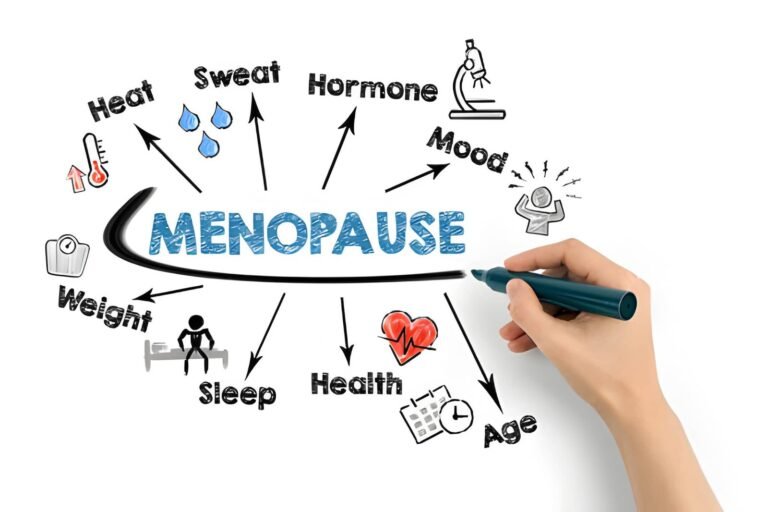
Symptoms vary widely, and many women experience more than one. Common symptoms include:
- Hot flushes and night sweats
- Irregular periods
- Low libido
- Anxiety or irritability
- Sleep issues
- Brain fog
- Weight gain
- Joint pain
- Heart palpitations
- Vaginal dryness or discomfort
- Pain during sex
- Recurrent urinary tract infections
How Long Do Symptoms Last?
Most symptoms improve within a few years after menopause, but some women experience them for longer. Lifestyle factors, stress and general health influence duration.
What Makes Menopause Symptoms Worse?
Common triggers include caffeine, alcohol, spicy foods, hot environments, smoking and poor sleep habits. Stress can intensify symptoms such as hot flushes and mood changes.
How Do I Know If I’m in Menopause?
Irregular periods combined with symptoms such as hot flushes, night sweats and sleep disturbance often indicate perimenopause. A healthcare professional can help confirm your stage based on symptoms and medical history.
Why Does Menopause Happen?
It is a natural part of ageing. Ovarian function gradually declines, leading to reduced oestrogen and progesterone production.
Hormonal Changes During Menopause
Lower oestrogen levels affect temperature regulation, mood, metabolism, bone health and vaginal tissues. These hormonal shifts are responsible for most symptoms.
Diagnosis and Tests
How Is Menopause Diagnosed?
Diagnosis is usually based on symptoms and menstrual history. Blood tests may be used in younger women or when symptoms are unclear to check hormone levels.
Management and Treatment
Treatment Options for Menopause
Treatment depends on symptoms, health and personal preference. Options include lifestyle adjustments, hormone therapy and non-hormonal medications.
Hormone Therapy for Menopause
Hormone therapy replaces declining oestrogen levels and may also include progesterone. It is one of the most effective treatments for hot flushes, vaginal symptoms, mood changes and sleep problems.
Non-Hormonal Treatments
These may include prescription medications for hot flushes, mood symptoms and vaginal discomfort. Cognitive behavioural therapy may also help with sleep and emotional well-being.
Lifestyle and Self-Care Options
Changing what you eat and drink: Balanced meals, stable blood sugar and plenty of water help manage symptoms.
Avoiding triggers: Reducing caffeine, alcohol and spicy foods may lessen hot flushes.
Exercising: Regular activity supports mood, bone health and weight management.
Support groups: Sharing experiences can reduce stress and increase confidence.
Prescription Medicines
Doctors may prescribe medicines for hot flushes, night sweats, mood issues or vaginal dryness when hormone therapy is not suitable.
Complementary and Alternative Therapies
Some women find relief with approaches such as mindfulness, certain supplements or acupuncture. Evidence varies, so discussing safety with a professional is recommended.
Compounded Bioidentical Hormones
These products are often marketed as natural alternatives, but their strength and safety vary. Regulated hormone therapies are usually recommended instead.
Outlook and Prognosis
What Is the Best Thing to Do for Menopause?
The most effective approach is a combination of lifestyle changes and evidence-based treatments tailored to your needs. Understanding your symptoms and options helps you take control of your wellbeing.
Health Risks of Menopause
Lower oestrogen levels increase the risk of certain conditions, including:
- Osteoporosis: Reduced bone density increases fracture risk.
- Cardiovascular disease: Hormonal changes affect cholesterol, blood vessels and heart health.
Living With Menopause
When Should I See a Healthcare Provider?
Seek advice if symptoms affect your daily life, if you experience bleeding after menopause or if you want support with treatment options.
What Questions Should I Ask?
- Which symptoms are normal for my stage?
- What treatments are suitable for me?
- How can I reduce long-term health risks?
- How often should I have check-ups?
Can I Get Pregnant During Menopause?
Pregnancy is still possible during perimenopause, as ovulation can still occur. Contraception is recommended until 12 months after your final period.
Common Emotional, Sexual and Sleep Changes
Many women experience sleep problems, reduced libido, mood swings or vaginal discomfort. These are common and often treatable with lifestyle adjustments, hormone therapy or targeted medications.
Do Men Go Through Menopause?
Men do not experience menopause, but age-related hormonal changes may lead to symptoms sometimes referred to as andropause.
Schedule Your Consultation with Dr. Mahsa Aghaei
If menopause symptoms are impacting your comfort, confidence, or quality of life, personalized medical care can help. Dr. Mahsa Aghaei provides thorough evaluations and customized treatment plans based on your individual health needs and goals.
For women experiencing intimate discomfort, including dryness or pain during intercourse, Vaginal Dryness Treatment in Dubai is available as part of a comprehensive menopause care plan. Whether you’re considering hormone therapy, non-hormonal options, or targeted intimate treatments, Dr. Mahsa Aghaei offers evidence-based solutions in a private and supportive environment.
Schedule your consultation today to discuss your symptoms and explore safe, doctor-led treatment options designed to help you feel balanced, comfortable, and confident again.
Frequently Asked Questions
Can menopause cause weight gain?
Yes. Hormonal changes can affect metabolism and fat distribution. Regular exercise and balanced eating can help manage weight.
Are hot flushes different from night sweats?
They stem from the same hormonal changes. Hot flushes happen during the day, while night sweats occur during sleep.
Is hormone therapy safe?
It is safe for most women when tailored to individual health needs. A healthcare professional can advise on suitability.
Can lifestyle changes reduce symptoms?
Yes. Exercise, avoiding triggers, improving sleep and healthy eating all help manage symptoms.
How long do hot flushes last?
They may last a few years, though some women experience them longer. Treatment can reduce their intensity and frequency.