How Your Diet Affects Polycystic Ovary Syndrome (PCOS)
Polycystic Ovary Syndrome (PCOS) is a hormonal disorder that affects how a woman’s ovaries function. While the exact cause remains unclear, insulin resistance and inflammation play a major role, and diet can significantly impact symptoms. Managing what you eat may help regulate hormones, promote weight management, and even improve fertility outcomes.
What is PCOS?
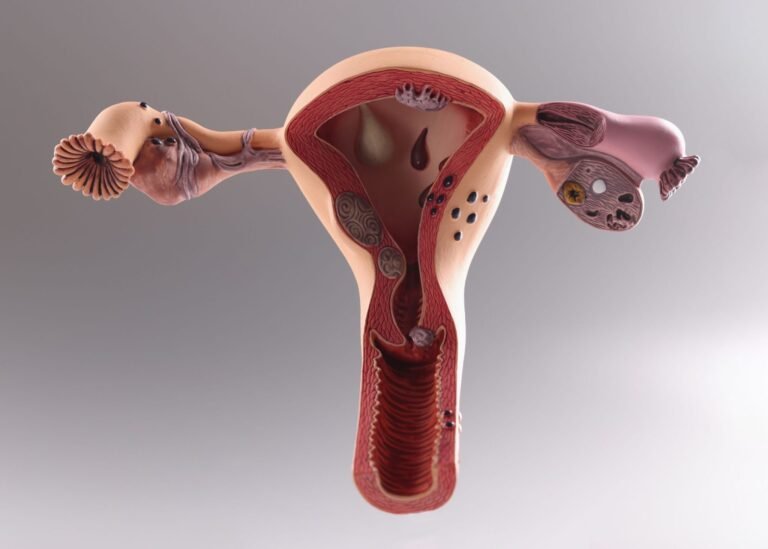
PCOS is a common condition affecting as many as one in ten women of reproductive age. It’s characterised by irregular periods, excess androgen levels (male hormones), and enlarged ovaries that may contain multiple follicles. Women with PCOS may struggle with weight gain, acne, and excess hair growth.
Symptoms of PCOS
- Irregular or missed periods
- Excess hair growth (hirsutism)
- Acne or oily skin
- Weight gain or difficulty losing weight
- Thinning hair
- Ovarian cysts
- Insulin resistance
Types of PCOS
Although PCOS presents differently in each woman, there are four main types identified by professionals:
- Insulin-resistant PCOS – The most common, often caused by high insulin levels.
- Inflammatory PCOS – Driven by chronic inflammation impairing ovulation and hormones.
- Post-pill PCOS – Occurs after discontinuing hormonal contraceptives, usually temporary.
- Adrenal PCOS – Characterised by elevated DHEA-S levels due to an adrenal response to stress.
Traditional Treatment Options
Standard PCOS treatments include hormonal birth control, insulin-sensitising medications like metformin, and fertility therapies. However, integrating lifestyle and dietary changes often boosts results and addresses root causes.
How Changes to Your Diet and Lifestyle Can Help PCOS
Making specific dietary choices and embracing an active lifestyle can:
- Balance blood sugar levels
- Lower insulin resistance
- Support healthy weight loss
- Stabilise mood and reduce stress levels
Foods You Should Eat on a PCOS Diet
Eat This: Fibre-Rich Foods
Whole grains, legumes, leafy greens, berries, and chia seeds help slow digestion, reduce cravings, and balance insulin levels.
Eat This: Lean Proteins
Skinless poultry, eggs, tofu, and legumes help manage hunger hormones and build lean muscle mass.
Eat This: Antioxidant-Rich Foods
Berries, dark chocolate (in moderation), green tea, and colourful vegetables fight inflammation and improve metabolic markers.
Eat This: Whole Soy Products
Organic tofu, tempeh, and edamame can support oestrogen balance and act as a healthy protein source.
Eat This: Mediterranean Diet-Friendly Foods
Fish, olive oil, vegetables, nuts, seeds, and whole grains form a pattern proven to reduce insulin resistance and inflammation.
Eat This: DASH Diet-Inspired Choices
This heart-healthy diet focuses on fruits, vegetables, whole grains, and low-fat dairy with reduced sodium levels, which can benefit those with PCOS.
What to Drink on a PCOS Diet
Choose water, unsweetened herbal teas, sparkling water with lemon, or cinnamon-infused infusions. Reducing sugary and caffeinated drinks helps support hormonal control and insulin sensitivity.
Foods to Avoid with PCOS
Limit: Refined Carbohydrates
White bread, pastries, and fast-digesting carbs trigger insulin spikes and cravings. Replace them with whole grains like quinoa, oats, and brown rice.
Limit: Sugary Beverages
Soft drinks, sweetened coffee drinks, and juice cocktails are high in simple sugars. They worsen insulin resistance, encouraging PCOS progression.
Limit: Sugary and Processed Foods
Biscuits, sweets, processed cereals, and ready-made meals can lead to chronic inflammation and weight gain.
Limit: Saturated and Trans Fats
These unhealthy fats, found in fried foods and some margarine, can increase cholesterol and insulin resistance.
Limit: Dairy (in Some Cases)
While not all women with PCOS react to dairy, some may benefit from reducing intake if they experience bloating or increased acne. Opt for lactose-free or dairy alternatives if needed.
Limit: Alcohol
Alcohol can disrupt hormonal balance and liver function. If consumed, it should be in moderation or avoided entirely.
Lifestyle Changes to Help Manage PCOS Symptoms
In addition to diet, regular exercise, stress reduction, and sleep quality play vital roles in managing symptoms:
- Engage in moderate-intensity workouts like walking, swimming or cycling.
- Incorporate mindfulness and stress-reducing practices such as yoga or meditation.
- Aim for 7–9 hours of quality sleep every night.
Best Exercises for PCOS
- Cardio: Walking, jogging, or dancing helps burn calories and improve insulin response.
- Strength training: Boosts metabolism and supports hormonal balance.
- High-Intensity Interval Training (HIIT): Improves fitness and enhances fat-burning potential.
Coping with PCOS
PCOS is a lifelong condition, but many women successfully manage symptoms through awareness and proactive lifestyle changes. Keep an open dialogue with your healthcare provider and track progress. Support communities and guidance from nutritional experts can also make a significant difference in mental and physical wellbeing.
Consult a Trusted PCOS Specialist in Dubai
If you are struggling with PCOS symptoms such as weight gain, irregular periods, acne, or insulin resistance, professional guidance can make a meaningful difference. Working with an experienced PCOS specialist in Dubai ensures you receive accurate diagnosis, personalised treatment, and expert support to help manage your condition effectively.
Dr. Mahsa Aghaei provides comprehensive PCOS evaluations and tailored care plans based on your individual symptoms, lifestyle, and health goals. Her approach includes hormone assessment, dietary and lifestyle guidance, and appropriate medical treatment to help regulate hormones and improve long-term health. With expert care and ongoing support, many patients achieve better symptom control and improved overall well-being.
Schedule your consultation with Dr. Mahsa Aghaei today to receive expert PCOS care and a personalized treatment plan designed for your needs.
Frequently Asked Questions
What is the best breakfast for PCOS?
A balanced breakfast including protein (like eggs or Greek yoghurt), healthy fat, and fibre (such as oats or leafy greens) can help maintain stable blood sugar.
Is intermittent fasting good for PCOS?
Some research suggests intermittent fasting may improve insulin sensitivity and hormone balance. However, results vary, and it may not suit everyone—consult a healthcare provider first.
Can cutting out dairy improve PCOS symptoms?
For some women, reducing dairy may improve acne and digestive discomfort. It depends on individual tolerance and symptoms.
Does weight loss cure PCOS?
While PCOS cannot be cured, losing as little as 5–10% of body weight can significantly improve symptoms, fertility, and hormone levels.
Can I get pregnant naturally with PCOS?
Yes, many women with PCOS conceive naturally. Optimising diet, weight, and regular ovulation increases chances of pregnancy.