How to Find the Best PCOS Specialist Near You
If you’ve been diagnosed with polycystic ovary syndrome (PCOS) or believe you may have it, finding the right specialist is essential for managing your symptoms, reaching your health goals, and getting the support you need. PCOS is a complex hormonal condition that can affect fertility, metabolism, skin, mental health, and overall well-being. Receiving expert, personalized care can make a meaningful difference in how effectively the condition is managed.
Start With Your Primary Goal
Before choosing a specialist, identify your main goal. This may include regulating irregular periods, managing weight, improving insulin resistance, treating acne, or planning for pregnancy. Your priorities will help determine which type of healthcare provider is best suited to support and guide your PCOS treatment journey.
Building Your PCOS Care Team
Given PCOS impacts multiple systems, a collaborative approach is often best. Your care team might include:
- GP or OB-GYN: Often the first point of contact for diagnosis and basic management.
- Reproductive Endocrinologist: Specializes in hormone-related fertility issues.
- Medical Endocrinologist: Focuses on hormonal imbalances, insulin resistance, and metabolic concerns.
- Registered Dietitian Nutritionist: Helps tailor nutrition plans for weight, blood sugar, and hormonal balance.
- Mental Health Professional: Supports mood changes, stress, and emotional wellbeing.
- Dermatologist: Treats acne, hirsutism, and hair thinning related to PCOS.
Who Can Diagnose PCOS?
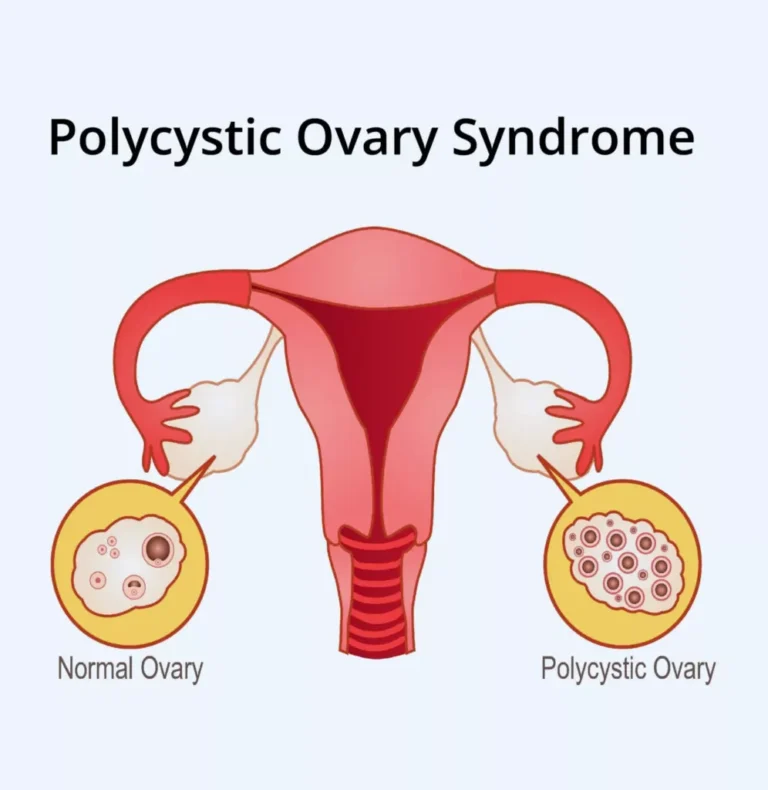
A PCOS diagnosis is typically made through a combination of medical history, physical examination, blood tests, and pelvic imaging—often a transvaginal ultrasound. Common criteria include irregular menstrual cycles, elevated androgen levels, and polycystic ovaries on ultrasound. GPs, OB-GYNs, and endocrinologists can perform these evaluations.
Endocrinologist vs. Gynaecologist: Who Treats PCOS Best?
A gynaecologist may focus on reproductive symptoms and menstrual irregularities, while an endocrinologist targets hormonal and metabolic imbalances. If fertility isn’t currently a concern, a medical endocrinologist may be ideal. On the other hand, those trying to conceive may benefit from partnering with a reproductive endocrinologist.
Choosing Your PCOS Specialist: What to Look For
When evaluating a specialist, consider:
- Experience with PCOS: Do they treat it frequently?
- Comprehensive approach: Do they understand both hormonal and metabolic aspects?
- Good listener: Do they take time to understand your goals?
- Respectful and inclusive care: Are you treated with empathy and respect?
1. Go Beyond the Directory Listing
Read reviews, call clinics, and don’t hesitate to ask if the provider has specific experience in PCOS. A website mention isn’t always enough—verify before booking.
2. Make Your First Call Count
Prepare key questions for your initial call. Ask about wait times, appointment availability, insurance acceptance, and how the clinic coordinates with other providers you might need.
3. Evaluate the Fit After the First Visit
After your consultation, reflect on the experience. Did you feel heard and understood? Were your concerns addressed thoroughly? It’s okay to explore another option if the fit isn’t quite right.
How to Prepare for Your First Visit
To make the most of your appointment, gather relevant information in advance:
- Track menstrual patterns
- List current symptoms, even if they seem unrelated
- Bring recent lab results or imaging reports
- Prepare a list of current medications and supplements
- Write down key questions you’d like to ask
Smart Questions to Ask a PCOS Specialist
- What type of PCOS do you suspect I have?
- Do I need imaging or lab tests?
- How can we monitor my metabolic health over time?
- Do you offer holistic lifestyle guidance?
- What are my treatment options if I’m not ready to conceive?
What Does High-Quality PCOS Care Look Like?
Top-tier PCOS care addresses both short-term symptoms and long-term health. This includes:
- Regular lab monitoring (e.g., insulin, lipids, and hormones)
- Personalized nutrition and exercise plans
- Medication options for hormonal balance or ovulation induction
- Emotional and psychological support
- Care continuity and proactive follow-ups
Feeling Overwhelmed? You’re Not Alone
Receiving a PCOS diagnosis or searching for proper care can be daunting. A coordinated care team, with clear goals and an empathetic approach, can empower you to take control of your health journey and feel genuinely supported every step of the way.
Get Expert Care for Polycystic Ovary Syndrome Treatment in Dubai
If you have been diagnosed with PCOS or are experiencing symptoms such as irregular periods, hormonal imbalance, acne, or fertility concerns, seeking medical care early is essential. Personalized Polycystic ovary syndrome treatment Dubai can help regulate hormones, reduce symptoms, and support your long-term reproductive and overall health.
Dr. Mahsa Aghaei offers comprehensive evaluations and customized treatment plans based on your individual symptoms and health goals. Her approach includes hormone testing, diagnostic evaluation, lifestyle guidance, and medical treatment when needed. With expert care and ongoing support, many patients are able to manage PCOS effectively and improve their quality of life.
Schedule your consultation with Dr. Mahsa Aghaei today to receive expert care and a personalized PCOS treatment plan tailored to your needs.
Frequently Asked Questions
What is the best type of doctor to see for PCOS?
A gynaecologist or endocrinologist is often best for PCOS. If fertility is not your immediate concern, a medical endocrinologist may be ideal. If you’re trying to conceive, a reproductive endocrinologist is more suitable.
Can a gynaecologist refer me to an endocrinologist?
Yes, many gynaecologists refer patients to endocrinologists for further evaluation and treatment, especially if metabolic symptoms are present.
Is PCOS diagnosis possible without an ultrasound?
Yes. Diagnosis can be made based on symptoms and blood tests, though an ultrasound is often helpful for confirming polycystic ovaries.
Do I need a referral to see a PCOS specialist?
This depends on your healthcare system and insurance. Many specialists accept self-referrals, but some require one from a GP or OB-GYN.
Can an endocrinologist help with weight loss in PCOS?
Yes, endocrinologists often help manage weight in PCOS by addressing insulin resistance and hormonal imbalances that impact metabolism.