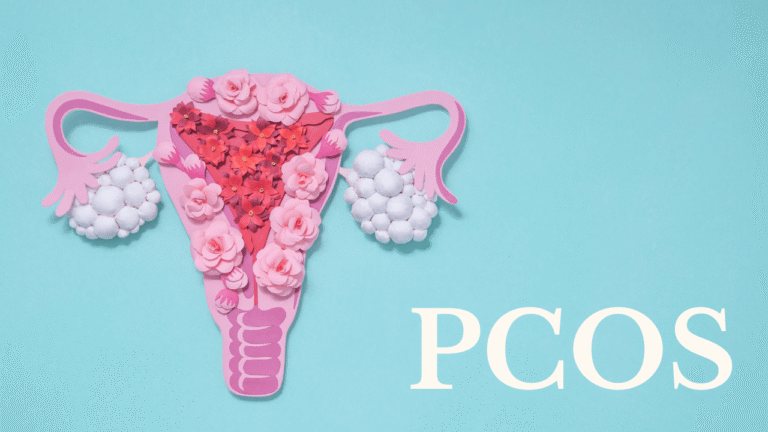
What is Polycystic Ovary Syndrome (PCOS)?
Polycystic Ovary Syndrome (PCOS) is a common hormonal disorder affecting individuals with ovaries, typically during reproductive years. It can cause a range of symptoms including irregular periods, excess androgen (male hormones), and polycystic ovaries. Although causes vary, PCOS is one of the leading causes of infertility and can also impact long-term health.
How Common is PCOS and When Does It Start?
PCOS affects approximately 1 in 10 individuals of reproductive age. Symptoms can start soon after puberty, but some may develop the condition during their 20s or 30s, especially after gaining weight or following significant hormonal changes.
Signs and Symptoms of PCOS
Recognising PCOS symptoms early can help in managing the condition more effectively. Common signs include:
- Irregular or missed periods
- Excess facial or body hair (hirsutism)
- Acne or oily skin
- Weight gain or trouble losing weight
- Thinning hair on the scalp
- Dark patches of skin (acanthosis nigricans)
- Polycystic ovaries seen on ultrasound
Can I Have PCOS Without Symptoms?
Yes, some individuals may exhibit no noticeable symptoms. This is why routine health checks and discussing menstrual patterns with your healthcare provider are important.
Main Causes and Risk Factors of PCOS
The exact cause of PCOS remains uncertain, but several factors play a role:
- Insulin resistance: When the body is unable to use insulin effectively, it can increase androgen production and disrupt ovulation.
- Hormonal imbalances: Elevated levels of androgens interfere with the development of eggs in the ovaries.
- Genetic predisposition: PCOS often runs in families.
Can PCOS Cause a Miscarriage?
While PCOS increases the risk of complications such as miscarriage, proper treatment and monitoring can significantly improve pregnancy outcomes.
How Is PCOS Diagnosed?
Diagnosis is typically based on a combination of clinical signs, medical history, and specific tests:
- Pelvic exam: To check for abnormalities or enlarged ovaries.
- Blood tests: To assess hormone levels and rule out other conditions.
- Transvaginal ultrasound: To evaluate ovarian appearance and the presence of cysts.
What Are the Three Criteria to Diagnose PCOS?
To be diagnosed with PCOS, at least two of the following must be present:
- Irregular ovulation or menstruation
- High androgen levels
- Polycystic ovaries on ultrasound
How Is PCOS Treated?
There’s no one-size-fits-all solution, and treatment often varies based on symptoms and future fertility goals.
If You Don’t Plan to Become Pregnant
- Hormonal birth control to regulate menstruation
- Anti-androgen medications to reduce hair growth and acne
- Metformin to improve insulin resistance
If You Want to Become Pregnant
- Ovulation-inducing medications
- Insulin-sensitising agents
- In some cases, surgical procedures like ovarian drilling
- Fertility support including assisted reproductive technologies
Lifestyle and Home Remedies
Diet and exercise are key components of managing PCOS:
- Maintain a balanced, low-glycaemic diet to manage blood sugar
- Exercise regularly to support insulin sensitivity and weight control
- Track menstrual cycle and symptoms to identify changes
Can PCOS Go Away?
While there is no cure for PCOS, symptoms can be managed effectively over time. Some individuals may experience fewer symptoms as they age or as hormones naturally shift during life transitions such as menopause.
Can You Have PCOS and Be in Menopause?
Yes, although hormone levels shift during menopause, women with PCOS may still experience its effects, including increased risk for type 2 diabetes or heart disease.
Can I Get Pregnant If I Have PCOS?
Absolutely. Though it may take longer or require medical intervention, many individuals with PCOS successfully conceive with the right treatment and lifestyle adjustments.
Impact on Long-Term Health and Complications
PCOS can raise the risk of several other medical issues:
- Type 2 diabetes
- High blood pressure
- Endometrial cancer
- Sleep apnoea
- Depression and anxiety
Can PCOS Be Prevented?
While PCOS can’t be entirely prevented, its effects can be minimised by maintaining a healthy weight, staying physically active, and managing stress and diet.
Living with PCOS
Coping with PCOS can be challenging, but consistent care, emotional support, and lifestyle changes can make a significant difference. Keeping track of changes in your body and working closely with your healthcare provider is essential to improving quality of life.
When Should I See My Healthcare Provider?
Seek medical advice if you notice significant changes in menstrual patterns, unwanted hair growth, fertility difficulties, or sudden weight changes.
Additional Common Questions
Is PCOS Genetic?
Yes, it tends to run in families. If a close relative has PCOS, your chances may be higher.
What Hormones Are Affected by PCOS?
Key hormones include increased androgens, insulin, luteinising hormone (LH), and reduced follicle-stimulating hormone (FSH).
What’s the Difference Between PCOS and Endometriosis?
PCOS is a hormonal disorder affecting ovulation and androgen levels. Endometriosis involves growth of uterine lining outside the uterus, causing chronic pain and possibly fertility issues, but they are entirely different conditions.
How to Prepare for Your Doctor’s Appointment
Before visiting your healthcare provider, consider the following:
- List symptoms and menstrual history
- Note any family history of PCOS or related issues
- Bring a list of medications and supplements you’re taking
- Prepare questions about fertility, treatment, and lifestyle support
Get Expert Care for Polycystic Ovary Syndrome (PCOS) in Dubai
If you are experiencing symptoms such as irregular periods, unwanted hair growth, acne, or difficulty getting pregnant, it is important to seek medical evaluation. Early diagnosis and proper management of Polycystic Ovary Syndrome (PCOS) in Dubai can help reduce symptoms, protect your long-term health, and support your fertility goals.
Dr. Mahsa Aghaei provides personalized evaluation and evidence-based treatment plans tailored to your individual needs. This may include hormone testing, ultrasound evaluation, lifestyle guidance, and medical treatment when appropriate. With the right medical support and ongoing care, many patients are able to manage PCOS effectively and improve their overall health and quality of life.
Schedule a consultation with Dr. Mahsa Aghaei today to receive an accurate diagnosis and a personalized treatment plan designed for your needs.
Frequently Asked Questions
Does having cysts on ovaries mean I have PCOS?
No, not always. Polycystic ovaries can occur without the accompanying hormonal issues or irregular periods that define PCOS.
Can losing weight improve PCOS symptoms?
Yes, even a modest reduction in weight can help regulate periods and improve insulin sensitivity.
Are there natural remedies for managing PCOS?
Yes, dietary changes, regular exercise, and stress reduction techniques can support hormone balance and overall well-being.
Do birth control pills cure PCOS?
No, but they can effectively manage symptoms such as irregular periods and acne.
Can PCOS return after treatment?
Symptoms can return if treatment is stopped or if lifestyle factors change. Ongoing management is key to long-term relief.