What Time Are Babies Most Likely To Be Born?
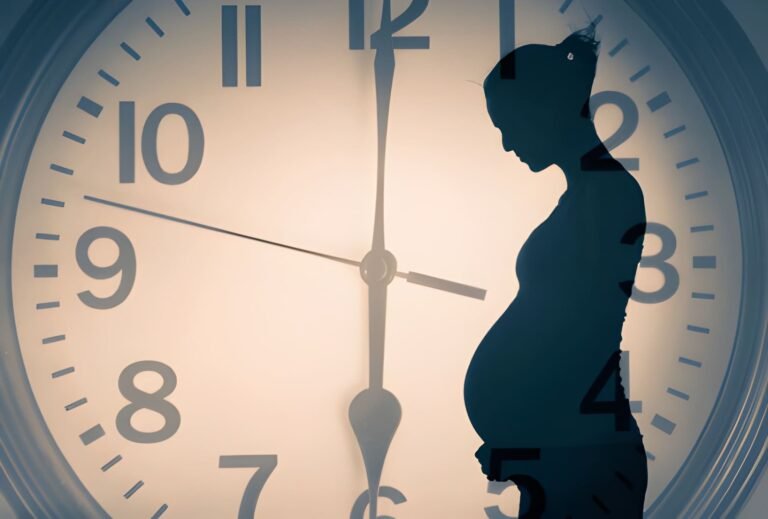
Most babies are naturally born during the early hours of the morning, with research consistently showing a peak around 4am. This pattern holds true across regions and generations, reflecting the body’s instinctive reliance on circadian rhythms and hormonal cycles that promote labour during the quietest part of the night.
Night-Time Birth
Night-time birth is extremely common, particularly for spontaneous (non-induced and non-surgical) labours. Several factors appear to influence this trend.
Hormonal activity plays a central role. The body releases higher levels of melatonin and oxytocin overnight, which together help regulate and strengthen contractions. Lower activity levels and a calm environment also support the progression of labour during the night.
The Rhythm of Labour
Additionally, people tend to feel safer and more relaxed during night-time hours, which can support the hormonal cascade that helps labour unfold smoothly.
The Study’s Aims
Recent research has aimed to understand exactly when births occur and what these patterns reveal about human biology, maternity staffing, and healthcare planning. The studies examined:
- The timing of spontaneous births compared with induced and surgical births
- Whether birth timing varies by region or demographic group
- How labour patterns align with natural circadian biology
- The wider implications for maternity services
So What Time Are Babies Most Likely to Be Born?
Across studies, the most common time for babies to be born is between 1am and 7am, with a clear peak around 4am. This trend is strongest among births that begin spontaneously and proceed without intervention.
By contrast, induced labours and planned surgical births occur more often during daytime hours, reflecting standard scheduling practices in maternity units rather than biological timing.
Birth Trends
Birth data shows several consistent trends:
- Spontaneous births cluster in the early morning.
- Planned interventions usually take place between late morning and early afternoon.
- There is a gradual rise in labour activity from late evening onwards.
- Weekends may see slightly different patterns depending on local maternity practices.
More Than Just Birth
These patterns are part of a wider understanding of reproductive rhythms. Hormonal cycles, sleeping patterns, environmental cues, and even temperature changes influence labour onset. Pregnancy itself follows a biological timeline shaped by evolutionary pressures, and the timing of birth is one expression of that.
Women’s Birth Tear Risk and Wider Variations
While not directly tied to the time of birth, studies on birth tears show that risk levels can vary significantly based on factors such as labour progression, birthing position, and whether interventions are used. Understanding birth timing may help shape safer staffing levels, which in turn could support better outcomes.
The Wider Issues
Understanding when babies are likely to be born has broader implications:
- Maternity staffing: If more births happen overnight, services must ensure robust staffing during these hours.
- Birth planning: Parents can feel reassured knowing that night-time labour is normal and biologically expected.
- Healthcare systems: Accurate data supports better allocation of beds, resources, and emergency cover.
What Can We Learn?
The consistent timing of natural birth suggests that the human body is finely tuned to give birth when it is safest, quietest, and most protected. Learning about these rhythms helps expectant parents understand the labour process and can support more confidence in the body’s natural patterns.
For maternity services, recognising these trends can guide improvements in overnight care and help ensure that staffing aligns with biological reality rather than administrative convenience.
Books and Resources to Help You Make Informed Decisions
Search This Topic
If you are exploring birth preparation, consider looking into topics such as labour physiology, birth environments, and decision-making for expectant parents.
Frequently Asked Questions
Why are most babies born at night?
Night-time birth aligns with natural hormone cycles. Higher levels of melatonin and oxytocin during the night encourage labour contractions and support progression.
Does the timing of birth affect the baby?
No, the time of birth does not affect a baby’s health. The timing simply reflects hormonal rhythms, maternity scheduling, or the type of birth.
Are induced births more likely to occur during the day?
Yes. Inductions and planned surgical births are typically scheduled during daytime working hours, which shifts the timing of those births compared with spontaneous labour.
Can stress or activity delay labour?
Stress can influence hormone levels, which may affect how quickly labour begins or progresses. Rest and calm environments generally help the body’s natural rhythms.
Is it normal for labour to start late at night?
Yes, it is very common for early labour to begin late in the evening or after midnight. This is part of the body’s natural pattern and is usually nothing to worry about.