Polycystic Ovary Syndrome (PCOS): What You Need to Know
Polycystic Ovary Syndrome (PCOS) is a common hormonal disorder affecting individuals of reproductive age. It can influence menstrual cycles, fertility, and overall health. Understanding PCOS is the first step to managing its impact effectively.
Symptoms of PCOS
PCOS often presents with a range of symptoms, which may include:
- Irregular or absent menstrual periods
- Excessive hair growth (hirsutism)
- Acne and oily skin
- Hair thinning or hair loss (alopecia)
- Weight gain or difficulty losing weight
- Fertility challenges
Causes and Risk Factors
The exact cause of PCOS remains uncertain. However, several factors are believed to contribute, including genetic predisposition, insulin resistance, inflammation, and hormonal imbalances. Women with a family history of PCOS or diabetes are at a higher risk.
Diagnosis of PCOS
Diagnosing PCOS typically involves a combination of medical history, physical exams, and specific tests.
Pelvic Examination
Healthcare providers may perform a pelvic exam to check for enlarged ovaries or abnormalities.
Transvaginal Ultrasound
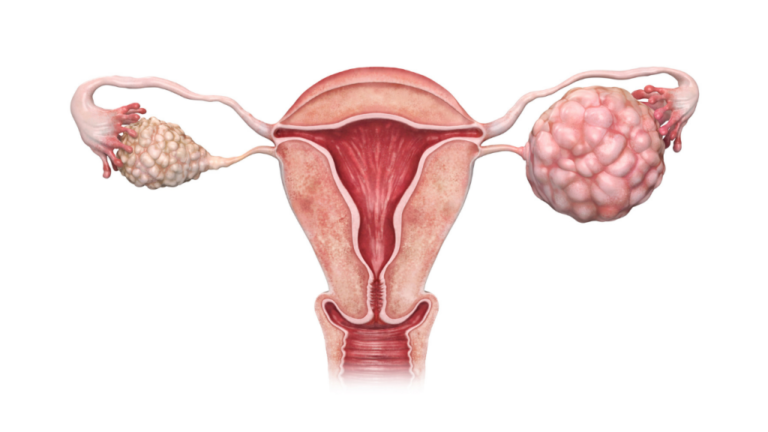
This imaging test provides detailed images of the ovaries and uterine lining to detect cysts and follicle patterns typical of PCOS.
Blood Tests
Tests may include measurements of hormone levels such as testosterone, luteinising hormone (LH), follicle-stimulating hormone (FSH), and insulin.
Complications of PCOS
If left unmanaged, PCOS can lead to several complications, including:
- Type 2 diabetes
- High blood pressure
- Infertility
- Pregnancy complications
- Sleep apnoea
- Endometrial cancer
Treatment Options for PCOS
Treatment for PCOS depends on symptoms and future fertility plans. Options include lifestyle adjustments, medications, and surgery in some cases.
Lifestyle Changes
Weight management can significantly improve symptoms. Recommended lifestyle adjustments include:
- Diet: Focus on a low-glycaemic, balanced diet rich in lean proteins, fruits, vegetables, and whole grains.
- Exercise: Regular physical activity helps cut insulin resistance and support weight loss.
- Weight Reduction: Losing as little as 5-10% of body weight may restore ovulation and reduce symptoms.
Medications
Depending on the severity and type of symptoms, treatment may involve:
- Oral contraceptive pills: Standard treatment to regulate periods and reduce androgen levels.
- Antiandrogens: Used to treat excessive hair growth and acne.
- Metformin: Helps manage insulin resistance and may assist in weight loss and ovulation.
- Aromatase inhibitors: Sometimes used for ovulation induction in those seeking pregnancy.
- GnRH agonists, Glucocorticoids: Considered when other treatments are ineffective or for managing specific symptoms like hirsutism.
Fertility Treatments
If pregnancy is desired, fertility-focused treatments include:
- Clomiphene citrate (CC) for ovulation induction
- Gonadotropin therapy
- Laparoscopic ovarian diathermy
- In vitro fertilisation (IVF) for complex cases
Surgery
Laparoscopic ovarian drilling may be considered when other treatments fail. This minimally invasive procedure promotes ovulation by reducing androgen-producing tissue.
Treatment of Androgen-Related Symptoms
These symptoms—including unwanted hair growth and acne—may require:
- Direct hair removal techniques such as waxing, laser therapy, and electrolysis
- Topical treatments for acne
- Combination therapy for persistent issues
Alternative Therapies
Some individuals explore alternative therapies such as herbal supplements or acupuncture. While these may offer relief, it’s essential to consult a healthcare provider before starting any new treatment.
Managing PCOS at Home
Beyond medical interventions, the following tips can support everyday wellness and reduce symptoms:
- Maintain consistent sleep patterns
- Reduce stress through mindfulness, yoga, or relaxation techniques
- Track menstrual cycles and symptoms to better understand your body
Preparing for Your Doctor’s Appointment
To make the most of your healthcare visits:
- Track your menstrual cycles and note any symptoms
- List all medications and supplements currently in use
- Write down any health questions you may have
FAQs
Can PCOS be cured?
PCOS cannot be cured, but its symptoms can be effectively managed through lifestyle changes, medications, and in some cases, surgery.
Is it possible to get pregnant with PCOS?
Yes, many people with PCOS conceive successfully with lifestyle changes or fertility treatments. Consulting a fertility specialist can enhance the chances.
How does PCOS affect mental health?
PCOS can increase the risk of anxiety, depression, and body image issues. Seeking support from mental health professionals or support groups is beneficial.
What is the role of insulin in PCOS?
Insulin resistance plays a key role in PCOS by increasing androgen levels, which worsens symptoms like irregular periods and hirsutism.
Do supplements help in managing PCOS?
Some supplements like inositol and vitamin D may support hormonal balance, but it’s important to discuss them with your healthcare provider first.
Get Expert PCOS Treatment in Dubai
If you are experiencing irregular periods, hormonal imbalance, acne, or fertility concerns, it’s important to seek medical care early. Proper and personalized PCOS treatment in Dubai can help regulate your hormones, reduce symptoms, and protect your long-term health and fertility.
Dr. Mahsa Aghaei offers thorough evaluations and customized treatment plans based on your specific symptoms and health goals. This may include hormone testing, ultrasound evaluation, lifestyle recommendations, and medical treatment when needed. With the right care and ongoing support, many patients are able to manage PCOS effectively and improve their overall well-being.
Schedule a consultation with Dr. Mahsa Aghaei today to receive expert care and a treatment plan tailored to your needs.