
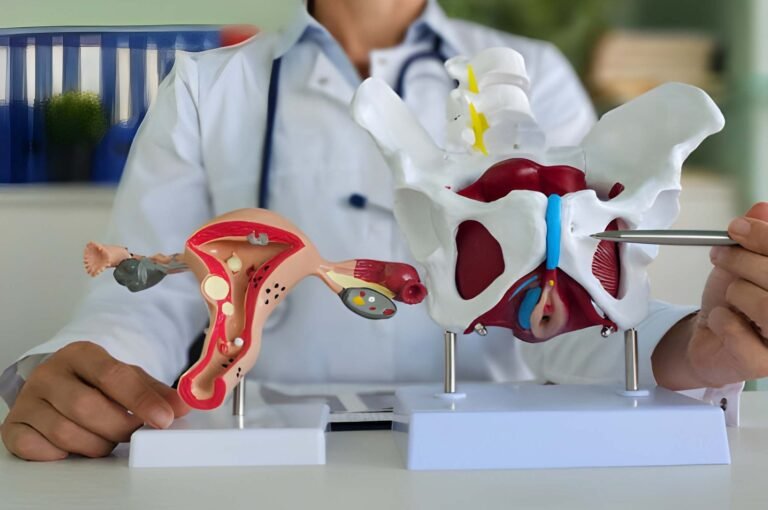
Pelvic floor dysfunction can affect bladder control, bowel movements, sexual function, and overall comfort. Understanding what is normal, what is not, and how to tell whether your pelvic floor is tight or weak is essential for long-term pelvic and musculoskeletal health. This guide brings together the most important insights to help you recognise symptoms, understand causes, and know when to seek help.
What Is Pelvic Floor Dysfunction?
Pelvic floor dysfunction occurs when the muscles at the base of the pelvis do not relax, contract, or coordinate properly. These muscles support the bladder, bowel, uterus, and prostate, and play a key role in continence, stability, and sexual function.
There are two main types of pelvic floor muscle dysfunction:
- Overactive (tight) pelvic floor – muscles remain tense and struggle to relax.
- Underactive (weak) pelvic floor – muscles are unable to generate sufficient strength or endurance.
Symptoms of Pelvic Floor Dysfunction
Symptoms vary depending on whether the pelvic floor is tight, weak, or a combination of both.
Symptoms of a Tight Pelvic Floor
- Difficulty starting or fully emptying the bladder
- Constipation or straining with bowel movements
- Pelvic pain or pressure
- Pain during or after intercourse
- Low back, hip, or pelvic pain
- Testicular or penile pain
Symptoms of a Weak Pelvic Floor
- Urinary leakage with coughing, laughing, or exercise
- Pelvic organ prolapse symptoms
- Reduced bowel control or accidental leakage
- Decreased sexual sensation
- Lower core stability
What Causes Pelvic Floor Dysfunction?
The pelvic floor can become tight or weak for many reasons. Often, factors overlap.
- Pregnancy and childbirth
- Chronic constipation or straining
- High-impact exercise or heavy lifting
- Surgery or trauma in the pelvic region
- Stress, muscle guarding, or holding tension in the pelvis
- Hormonal changes
- Postural habits and musculoskeletal imbalance
In some cases, weight changes or medications that affect digestion or appetite (such as medications used for metabolic support) may contribute indirectly by altering bowel habits or increasing tension patterns in the body.
Conditions Commonly Mistaken for Pelvic Floor Dysfunction
Several issues can mimic pelvic floor dysfunction, leading many people to go undiagnosed or misdiagnosed.
- Urinary tract infections
- Endometriosis
- Irritable bowel syndrome
- Prostatitis
- Hip or spine disorders
- Musculoskeletal dysfunction in the abdomen or back
How Does the Pelvic Floor Become Tight or Weak?
Muscles can become overactive when they are responding to pain, guarding, poor breathing patterns, or emotional stress. Weakness often develops from underuse, pregnancy-related changes, surgery, or chronic straining. Sometimes a person may have both tightness and weakness at the same time, which can make symptoms more confusing.
How to Tell If Your Pelvic Floor Is Tight or Weak
You can begin with a few simple checks, though self-screening does not replace assessment from a pelvic floor specialist.
1. Check for Symptoms of a Tight Pelvic Floor
If your main symptoms involve pain, difficulty relaxing, or straining, your pelvic floor may be overactive.
2. Check for Symptoms of a Weak Pelvic Floor
If leaking or reduced support is more prominent, weakness may be the issue.
3. Decode Your Attempt at a Kegel
Try gently contracting your pelvic floor. If the movement feels difficult, uncomfortable, or creates tension in your abdomen or glutes, your pelvic floor may be tight rather than weak.
4. Try an Internal Self‑Assessment
An internal self-check, performed carefully, may help you notice tension, tenderness, or difficulty relaxing. If anything feels painful or concerning, stop and seek a professional assessment.
5. Assess Activation and Relaxation
A healthy pelvic floor should contract, relax, and lengthen. If you can contract but cannot relax, or vice versa, this imbalance helps guide treatment.
How Pelvic Floor Dysfunction Is Diagnosed
A specialist will take a detailed history and perform a physical assessment that may include abdominal, hip, and pelvic examination. They may ask about bladder and bowel habits, pain, and lifestyle factors.
Tests Used in Diagnosis
- Pelvic floor muscle examination (external and internal)
- Posture and movement assessment
- Breathing and abdominal coordination evaluation
- In some cases, diagnostic imaging or muscle testing may be recommended
How Is Pelvic Floor Dysfunction Treated?
Treatment depends on whether the pelvic floor is tight, weak, or a combination of both.
Pelvic Floor Exercises
Strengthening or relaxation techniques are tailored to your specific needs. Not everyone should perform traditional squeezing exercises. For tight pelvic floors, relaxation, stretching, and breathwork are more appropriate.
Manual Therapy
Hands-on treatment may include internal or external muscle release, joint mobilisation, or soft tissue work to reduce tension and improve mobility.
Education and Lifestyle Modifications
Adjustments may include toileting habits, breathing strategies, posture changes, and modifications to exercise routines.
Other Management Options
- Bowel and bladder retraining
- Biofeedback
- Relaxation therapy and stress reduction
- Strength training or functional rehabilitation
Can You Restore Your Pelvic Floor?
Yes. With appropriate treatment, most people see significant improvement. Consistency is key, as is avoiding one-size-fits-all approaches.
Does Pelvic Floor Dysfunction Go Away on Its Own?
It is unlikely to resolve without guidance, especially if symptoms have been present for months or years. Early support leads to better outcomes.
How to Take Care of Yourself
- Use proper toileting posture and avoid straining
- Practice diaphragmatic breathing
- Stay active with low-impact movement
- Avoid holding tension in your abdomen or glutes
- Seek assessment if symptoms persist
When to See a Pelvic Floor Physical Therapist
If symptoms interfere with daily life, exercise, or comfort, an assessment is recommended. Early evaluation can prevent worsening issues and provide a personalized treatment plan.
Strong Foundations: Why Pelvic and Musculoskeletal Health Matter for Longevity
A well-functioning pelvic floor contributes to mobility, continence, confidence, and long-term independence. Supporting your pelvic and musculoskeletal health is an investment in your future well-being.
Schedule Your Pelvic Floor Evaluation Today
If tight pelvic muscles, ongoing pain, or persistent pelvic floor symptoms are affecting your daily life, professional care can help you move forward with confidence. In certain cases of significant muscle overactivity, pelvic muscle Botox treatment in Dubai may be recommended as part of a comprehensive treatment plan.
Dr Mahsa Aghaei provides thorough pelvic health evaluations to determine whether your symptoms are due to muscle tightness, weakness, or a combination of both. For patients with severe muscle tension that hasn’t improved with conservative therapy alone, pelvic muscle Botox treatment may help relax overactive muscles, reduce discomfort, and support recovery alongside physical therapy and guided exercises.
Early intervention leads to better results. Schedule your consultation with Dr. Mahsa Aghaei today and take the first step toward lasting relief, improved control, and renewed confidence.
Frequently Asked Questions
Can stress make pelvic floor dysfunction worse?
Yes. Stress can increase muscle tension and contribute to an overactive pelvic floor.
Is a tight pelvic floor the same as being strong?
No. Tight muscles are often weak and unable to perform properly.
Can men have pelvic floor dysfunction?
Absolutely. Men commonly experience pelvic pain, urinary issues, or sexual dysfunction related to pelvic floor imbalance.
Should I do Kegels every day?
Only if advised by a specialist. Kegels can worsen symptoms in people with a tight pelvic floor.
How long does pelvic floor therapy take to work?
Most people notice improvement within several weeks, though full recovery depends on the cause and severity of symptoms.