
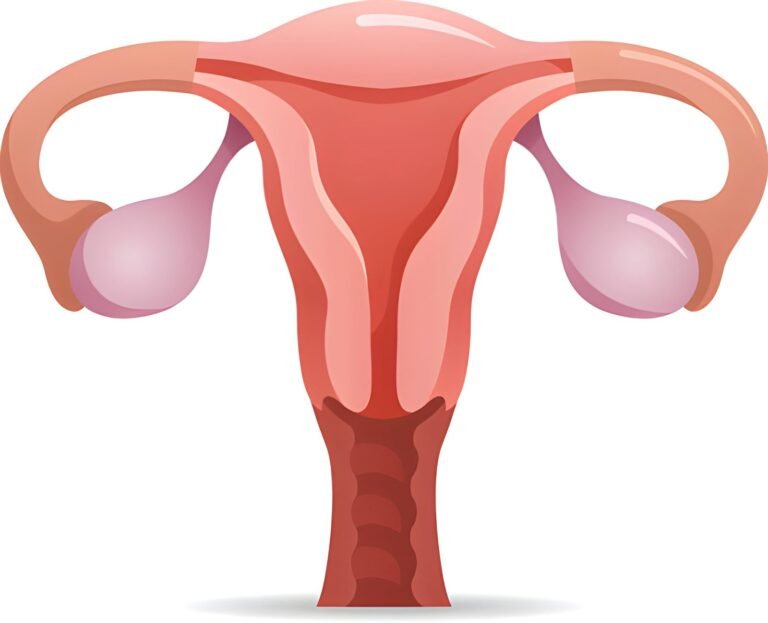
An overactive pelvic floor can lead to pain, bladder or bowel difficulties, and sexual discomfort. When these muscles tighten and fail to relax properly, they place the pelvis in a constant state of tension. This disrupts everyday activities such as sitting, walking, or going to the toilet, and may worsen other pelvic health conditions.
Understanding why overactivity develops and how to relieve it is key to restoring comfort and improving pelvic health.
What Causes an Overactive Pelvic Floor Muscle?
Several factors can cause pelvic floor muscles to become excessively tight. These include:
- Chronic stress leading to holding tension in the pelvic region.
- Previous pelvic or abdominal surgery creating protective muscle guarding.
- Pain conditions such as endometriosis, vulvodynia, or vaginismus.
- High-impact exercise or over-training core muscles.
- Habitual holding of urine or stools.
- Postural habits that overload the pelvic girdle.
While causes vary, the common factor is an inability of the pelvic floor to fully relax when needed.
Effects of an Overactive Pelvic Floor
Overactivity can produce a wide range of symptoms depending on which structures are affected. Common effects include:
- Pelvic pain or pressure.
- Pain during sexual activity.
- Difficulty initiating urination or feeling unable to empty the bladder.
- Constipation or straining during bowel movements.
- Lower back, hip, or groin pain.
- Heightened sensitivity or persistent arousal sensations.
These symptoms may fluctuate, and some individuals experience multiple effects simultaneously.
How to Relax Pelvic Floor Muscles: Simple Exercises to Do at Home
Relaxation-focused pelvic floor exercises can help reduce tension and restore healthy muscle function. The following techniques are gentle, accessible, and suitable for most people.
Diaphragmatic Breathing
Deep breathing encourages the pelvic floor to relax in sync with the diaphragm.
- Lie on your back or sit comfortably.
- Place one hand on your chest and one on your abdomen.
- Inhale slowly through your nose, allowing your belly to rise.
- Exhale gently and feel your pelvic floor soften.
Repeat for several minutes daily to help retrain natural relaxation.
Pelvic Girdle Stretches
Gentle stretches reduce tension in surrounding muscles that influence the pelvic floor.
- Child’s pose: Kneel and fold forward, relaxing the hips.
- Happy baby pose: Lie on your back and hold your knees or feet, allowing the pelvis to open.
- Hip flexor stretch: Step one foot forward into a lunge and sink into the stretch.
- Glute stretch: Sit or lie down and cross one ankle over the opposite knee.
Hold each stretch for 20–30 seconds, ensuring you do not push into pain.
Gentle Pelvic Floor Drops
Pelvic floor drops teach the muscles to lengthen rather than contract.
- Inhale deeply and imagine the pelvic floor widening and softening.
- Exhale and allow the muscles to remain relaxed rather than lifting.
This exercise is the opposite of a pelvic floor contraction and supports healthy relaxation.
Progressive Muscle Relaxation
This technique helps identify and release tension held unconsciously.
- Start at your feet and work upward, relaxing each muscle group.
- When you reach the pelvic area, focus on softening the lower abdomen and pelvic floor.
Regular practice can decrease overall pelvic tension and improve body awareness.
When Overactivity is Linked to Other Conditions
Tight pelvic floor muscles may be associated with various pelvic health concerns:
- Endometriosis: Ongoing pelvic pain can cause protective muscle tightening.
- Pelvic organ prolapse: Some individuals over-tighten in an attempt to compensate for heaviness or pressure.
- Vulvodynia: Chronic vulval sensitivity may trigger involuntary muscle guarding.
- Vaginismus: The pelvic floor contracts reflexively, often causing pain with penetration.
- Post-gynaecological surgery changes: Healing tissues can cause altered muscle activation patterns.
- Persistent genital arousal symptoms: Overactivity may contribute to uncomfortable sensations.
Addressing pelvic floor tension is often an important component of managing these conditions.
Get Expert Help
If symptoms persist despite home exercises, a qualified pelvic health physiotherapist can provide personalised assessment and treatment. They can identify specific areas of overactivity, guide safe rehabilitation, and support you through any related conditions. Comprehensive care often includes manual therapy, relaxation strategies, education, and tailored exercise programming.
Seeking support early can reduce symptoms, restore comfort, and improve your overall quality of life.
Your First Step
If you’re experiencing ongoing pelvic discomfort, difficulty relaxing the pelvic floor, or symptoms affecting daily life, expert assessment is an important first step. With the right guidance, most individuals see significant improvement.
New Program Options and Community Support
Many people benefit from structured programmes that focus on long-term pelvic health. Community-based support and educational resources can also help you stay informed and connected as you work towards improved well-being.
Take the First Step Toward Comfortable, Pain-Free Intimacy
If an overactive pelvic floor or vaginismus is causing pain, discomfort, or difficulty with penetration, professional care can help you regain comfort and confidence. Choosing private vaginismus treatment Dubai gives you access to discreet, personalized support in a safe and understanding environment.
Dr. Mahsa Aghaei provides comprehensive evaluations and customized treatment plans that address both the physical and emotional aspects of vaginismus. Her approach may include guided pelvic floor relaxation techniques, structured therapy support, and advanced medical treatments when appropriate. With expert care and compassionate guidance, many patients experience significant improvement and renewed confidence.
Schedule your consultation with Dr. Mahsa Aghaei today and take the first step toward lasting relief and a healthier, more confident you.
Frequently Asked Questions
How do I know if I have an overactive pelvic floor?
Common signs include pelvic pain, difficulty emptying the bladder, constipation, or pain during sexual activity. A pelvic health professional can provide a definitive assessment.
Can stress cause pelvic floor tightness?
Yes. Many people hold tension in their pelvic muscles during periods of stress, which can lead to overactivity over time.
Are Kegel exercises helpful?
Kegels strengthen the pelvic floor and are not recommended if your muscles are already too tight. Relaxation-focused exercises are usually more beneficial.
How long does it take to relax overactive pelvic floor muscles?
Improvement varies. Some people notice changes within a few weeks, while others require longer-term guidance depending on the underlying cause.
Should pelvic floor exercises hurt?
No, pelvic floor relaxation exercises should not cause pain. If they do, stop and seek professional advice.