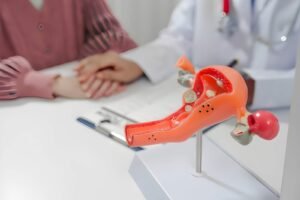
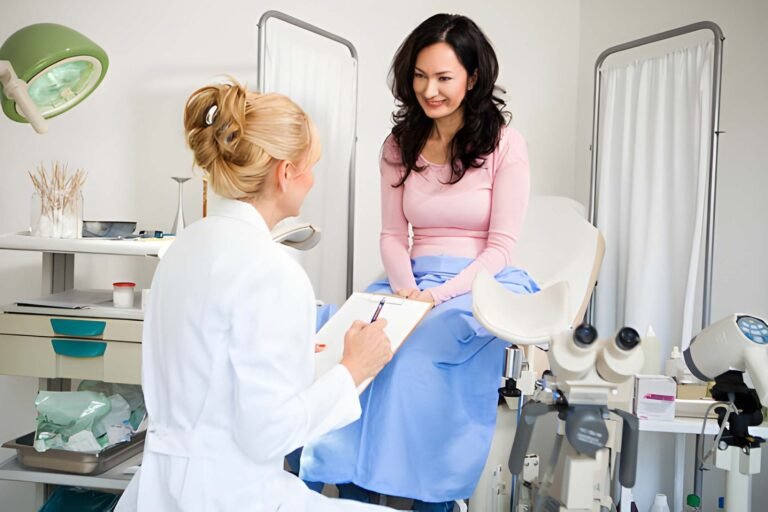
Supporting teens as they navigate reproductive and gynaecological health is essential for early detection of issues, prevention of long-term conditions and helping young people feel confident about their bodies. This guide brings together all the key information parents, carers, and teens need to understand what adolescent gynaecology involves, when to seek help and how to create an open, supportive environment for conversations.
What Is Reproductive Health?
Reproductive health covers the physical, mental and emotional aspects of the reproductive system. For adolescents, it includes puberty changes, menstrual health, hormonal balance, sexual wellbeing and understanding how to care for their developing bodies. Teaching this early supports long-term health and reduces anxiety around normal changes.
Why Adolescent Gynaecology Matters
Early adolescence is a period of rapid change. Many gynaecological conditions begin during the teen years, and timely support ensures issues are managed before they become long-term concerns. Providing reliable education also empowers teens to make informed health decisions and feel comfortable seeking care when needed.
Common Reproductive Health Issues in Teens
Teenagers may experience a range of gynaecological symptoms. While many are normal parts of development, others may require professional assessment.
Common Symptoms
These symptoms are frequently experienced and often manageable:
- Irregular periods
- Acne or oily skin
- Pelvic discomfort
- Heavy or painful menstruation
- Vaginal discharge changes
Emergency Symptoms
Seek urgent care for:
- Severe abdominal pain
- Heavy bleeding, soaking through pads every hour
- Fainting or dizziness related to menstruation
- Signs of infection, such as fever, severe pain or foul-smelling discharge
Common Causes of Adolescent Gynaecological Concerns
Endometriosis
This condition can develop in the teen years and often presents as severe menstrual pain or pain between periods.
Fluctuating Hormones
Hormonal shifts can cause irregular cycles, mood changes, acne and breast tenderness.
Polycystic Ovary Syndrome (PCOS)
PCOS may appear in adolescence with symptoms such as irregular periods, acne, excess hair growth and weight changes.
Prostaglandins
High prostaglandin levels can lead to intense menstrual cramps, often easing with treatment.
Things to Keep in Mind When Educating Teens About Reproductive Health
Approaching the subject with openness, accuracy and sensitivity is key. Teens benefit from honest discussions that normalise reproductive changes rather than treating them as taboo.
- Use simple, factual language
- Allow private conversations without judgment
- Encourage questions and ongoing curiosity
- Discuss both physical and emotional well-being
Creating an Inclusive and Adolescent-Friendly Environment
A welcoming setting makes teens more comfortable seeking care and asking questions. Inclusivity ensures every young person feels respected regardless of background, gender identity or sexual orientation.
Tips for Creating an Office Environment That Appeals to Adolescents
- Provide age-appropriate educational materials
- Use gender-neutral language
- Ensure privacy and confidentiality
- Display supportive messaging for diverse identities
Training for Office Staff
Staff should be trained to communicate respectfully, maintain discretion and understand adolescent-specific needs.
Preparing Staff
Preparation includes recognising common teen concerns, responding sensitively and creating an approachable atmosphere.
Confidentiality and Patient Autonomy
Teens often worry about privacy. Explaining confidentiality policies clearly builds trust and encourages honest communication.
Alone Time
Allowing the teen private time with the clinician helps them speak openly about sensitive issues.
Gender Identity and Sexuality
Every teen should feel safe expressing their identity. Supportive, non-judgemental discussions help build confidence and trust.
Taking a Sexual History
A sexual history assists in providing appropriate care. It should always be handled with sensitivity and without assumptions.
Sexual History Questions to Ask Patients
- Are you sexually active?
- Do you use contraception?
- Do you have any concerns about sexual health?
- Do you feel safe in your relationships?
Timing, Scope, and Components of the Initial Visit
The first visit typically takes place between the ages of 13 and 15. The focus is on education, reassurance and early detection of concerns rather than invasive examinations.
Examination
Most initial visits involve simple visual checks and discussions. Pelvic exams are only performed when necessary. The aim is to build comfort and understanding.
Management and Follow-Up
Ongoing care may involve monitoring symptoms, managing conditions like PCOS or endometriosis and guiding teens through reproductive health milestones.
Promoting a Healthy Lifestyle
Healthy habits can support balanced hormones and ease gynaecological symptoms. Encouraged habits include:
- Regular physical activity
- Balanced nutrition
- Adequate sleep
- Stress management
- Avoiding smoking and excessive screen time
Diagnosing Adolescent Gynaecological Concerns
Diagnosis may involve medical history, symptom tracking, blood tests, ultrasound or referral to a specialist for further evaluation.
Adolescent Gynaecology Treatments
Medication
Pain relief, anti-inflammatory medicines and other medications may help manage symptoms.
Hormonal Contraceptives
Hormonal treatments can regulate periods, reduce pain and manage hormonal imbalances.
When to See a Gynaecologist
Teens should seek a gynaecology appointment if they experience severe period pain, very irregular cycles, signs of hormonal imbalance or symptoms that disrupt daily life.
Supporting Your Teen’s Reproductive Health Journey
Encourage open conversations, reassure them that questions are normal and support regular health check-ups as they navigate adolescence.
Recommendations and Conclusions
Adolescent gynaecology plays a vital role in early health education, prevention and wellbeing. Encouraging open discussions and providing teen-friendly care helps build lifelong confidence in managing reproductive health.
Support Your Teen’s Reproductive Health with a Trusted Gynecologist in Dubai
If your daughter is experiencing irregular periods, severe cramps, hormonal concerns or simply needs guidance during puberty, early support makes a real difference. Speaking to a trusted gynecologist in Dubai ensures she receives professional, confidential and compassionate care tailored to her age and stage of development.
Dr. Mahsa Aghaei provides adolescent-friendly consultations focused on education, reassurance and early detection of concerns. Every appointment is designed to help teenagers feel comfortable, heard and respected. Parents are supported, and teens are given space to ask questions openly and confidently.
Prioritising reproductive health during adolescence builds lifelong awareness and wellbeing.
Schedule a consultation with Dr. Mahsa Aghaei today and give your teen the confidence and medical support she deserves.
Frequently Asked Questions
At what age should girls first visit a gynaecologist?
The recommended age is between 13 and 15, even if no symptoms are present.
Are irregular periods normal for teens?
Yes, irregular cycles are common in the first few years after menstruation begins.
Should teens have pelvic exams?
Only when medically necessary. Most first visits focus on discussion and education.
How can I support a teen who is anxious about their appointment?
Offer reassurance, normalise their concerns and ensure they understand what to expect.
When are menstrual symptoms considered abnormal?
Seek advice if pain is severe, periods stop for several months, or symptoms disrupt daily life.