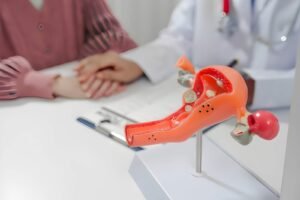

A high-risk pregnancy occurs when a condition or circumstance increases the likelihood of complications for the mother, baby, or both. Early identification and tailored care are essential to help ensure the healthiest possible outcome. With the right support, monitoring, and lifestyle guidance, most high-risk pregnancies result in safe deliveries and healthy babies.
High-risk pregnancy care focuses on advanced monitoring, early diagnosis, and collaborative management between obstetric, medical, and specialist teams.
Causes of High-Risk Pregnancy
A pregnancy may be classified as high risk for various reasons, including:
- Pre-existing medical conditions such as heart, thyroid, or kidney disorders
- Complications arising during pregnancy, such as pre-eclampsia, gestational diabetes, or placenta-related concerns
- Age-related factors, especially pregnancies after age 35
- Carrying multiples such as twins or triplets
- Previous pregnancy complications
- Lifestyle factors, including obesity, smoking, or unmanaged stress
Understanding the cause helps guide the most effective plan of care.
Integrated Programme for High-Risk Pregnancy
A dedicated programme for high-risk pregnancy offers coordinated support from multiple specialists. This may include obstetric physicians, maternal–foetal medicine experts, genetic counsellors, and nutrition professionals. Care is tailored to each patient’s medical background, pregnancy progress, and personal needs.
Specialized Care for Complicated Pregnancy
Specialist care provides targeted support for conditions affecting either the mother or the baby. This may involve advanced monitoring, more frequent visits, or additional diagnostic tests. The goal is to ensure early detection and timely intervention, improving outcomes and reducing complications.
Pregnancy Care with Compassion: Navigating High-Risk and Normal Pregnancies
Compassionate, patient-centred care ensures that individuals feel supported throughout their pregnancy journey. Whether the pregnancy is uncomplicated or high risk, open communication, continuity of care, and personalised guidance help reduce anxiety and improve the overall experience.
Pregnant After 35? What You Need to Know
Becoming pregnant after age 35 is common and usually healthy. However, the risk of certain complications, such as gestational diabetes, chromosomal conditions, and high blood pressure, may be slightly higher. Enhanced screening, lifestyle adjustments, and proactive monitoring help maintain a safe and smooth pregnancy.
7 Tips for Managing a High-Risk Pregnancy
- Attend all antenatal appointments for consistent monitoring.
- Follow personalised nutritional guidance to maintain optimal health.
- Stay active with safe, recommended exercises.
- Manage stress through mindfulness, therapy, or emotional support.
- Avoid alcohol, smoking, and other harmful substances.
- Monitor symptoms closely and report concerns promptly.
- Prepare for delivery early, including birth planning with your care team.
Antenatal Care
Antenatal care for high-risk pregnancies focuses on careful monitoring, preventative strategies, and detailed planning. This may include regular ultrasounds, blood pressure checks, glucose tests, and foetal well-being assessments.
Prenatal Testing
Diagnostic and screening tests help identify potential concerns early. These may include:
- Ultrasound scans
- Non-invasive screening tests
- Amniocentesis or chorionic villus sampling if indicated
- Growth monitoring for the baby
Genetic Counselling
Genetic counselling provides individuals and families with information about inherited conditions, chromosomal risks, and available screening options. This helps support informed decision-making during pregnancy.
Reproductive Genetics
Reproductive genetics focuses on assessing the risk of hereditary conditions and offering advanced testing options where needed. This is especially beneficial for individuals with a personal or family medical history that may affect pregnancy.
Fetal Assessment
Foetal assessment includes specialized scans, monitoring, and evaluations to ensure the baby is developing well. It is particularly important in high-risk pregnancies where growth, movement, or placental health requires closer observation.
Diabetes in Pregnancy
Gestational diabetes is a common high-risk condition. With nutritional guidance, glucose monitoring, and medical support, most individuals maintain a healthy pregnancy and experience minimal complications.
Obesity in Pregnancy
Obesity may increase the risk of pregnancy complications such as hypertension and gestational diabetes. Tailored nutritional plans, safe physical activity, and careful monitoring help reduce risks and support a healthy pregnancy.
Nutrition in Pregnancy
Good nutrition underpins a healthy pregnancy. High-risk pregnancies may require specific dietary adjustments to support the mother and baby. A nutrition specialist can help create a balanced plan tailored to unique health needs.
Fetal Surgery
In rare cases, specific foetal conditions may be treated before birth. Foetal surgery is highly specialised and aims to improve long-term outcomes for certain congenital issues. Referral to an advanced centre may be required.
Medical Problems in Pregnancy: Frequently Asked Concerns
If a patient is pregnant and has a medical problem, what should she do?
It is important to contact a healthcare professional as early as possible. Early assessment allows for a tailored plan to reduce risk and ensure appropriate monitoring.
Is it important to speak with a specialist before becoming pregnant?
Pre-pregnancy counselling is highly recommended for those with pre-existing medical conditions. It provides guidance on medication safety, condition optimisation, and pregnancy planning.
Can issues arising during pregnancy predict future medical problems?
Some conditions, such as pre-eclampsia or gestational diabetes, may indicate a higher risk of related health issues later in life. Early identification helps enable long-term monitoring and preventive care.
Take the Next Step in Feeling Better
Personalized care for high-risk pregnancy aims to keep both mother and baby safe, supported, and well-informed. Reaching out to a specialist team ensures access to expertise, monitoring, and compassionate guidance throughout pregnancy.
Get Expert Pregnancy Care with a Leading Obstetrician and Gynecologist in Dubai
If you’ve been told your pregnancy is high risk, or you’re managing a medical condition while expecting, getting early specialist care is critical. Working with an experienced Obstetrician and gynecologist in Dubai ensures you receive personalized monitoring, advanced testing, and compassionate support every step of the way.
Dr. Mahsa Aghaei provides comprehensive care for both routine and high-risk pregnancies. She creates tailored care plans, offers detailed prenatal monitoring, and coordinates with specialists when needed. Her focus is on early detection, clear communication, and helping you feel confident and supported throughout your pregnancy journey.
Whether you’re planning to conceive, facing pregnancy complications, or simply want expert reassurance, proactive care makes a real difference.
Schedule your consultation with Dr. Mahsa Aghaei today and take the next step toward a safer, well-managed pregnancy.
Frequently Asked Questions
What qualifies a pregnancy as high risk?
Medical conditions, age factors, pregnancy complications, and lifestyle issues can all contribute to a high-risk classification.
Can a high-risk pregnancy become normal?
Many high-risk pregnancies stabilise with proper monitoring and treatment, reducing concerns as pregnancy progresses.
How often will I need appointments?
High-risk pregnancies usually require more frequent check-ups, depending on individual needs and medical conditions.
Is exercise safe during a high-risk pregnancy?
Most individuals can remain active with guidance from their healthcare provider, who can recommend safe activities.
What symptoms should prompt urgent care?
Severe headaches, bleeding, reduced foetal movements, vision changes, or abdominal pain should be reported immediately.