What Is Polycystic Ovary Syndrome (PCOS)?
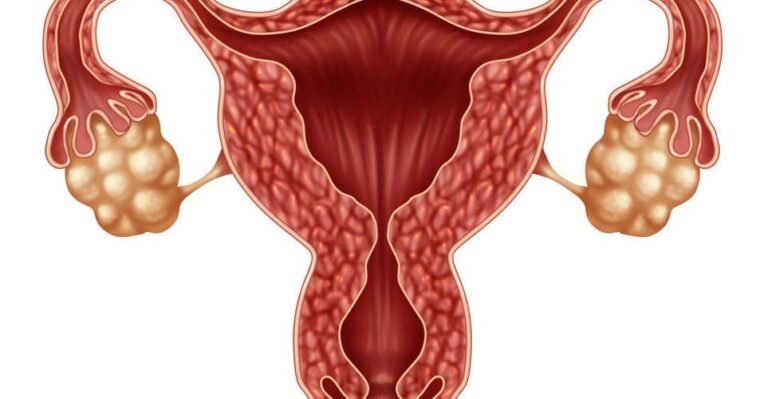
Polycystic Ovary Syndrome (PCOS) is a common hormonal disorder that affects individuals with ovaries, most often during their reproductive years. It’s characterised by irregular periods, excess androgen levels (male hormones), and enlarged ovaries that contain small fluid-filled sacs known as follicles. PCOS can impact fertility, skin, hair, and metabolic health.
How Common Is PCOS and When Does It Start?
PCOS affects approximately 1 in 10 women of reproductive age, making it one of the most common endocrine conditions. Although it often begins during puberty, many do not realise they have the condition until they’re trying to conceive or encounter hormonal symptoms.
What Are the Signs and Symptoms of PCOS?
PCOS symptoms can vary, but the most common include:
- Irregular or absent periods
- Excess facial or body hair (hirsutism)
- Thinning hair or hair loss on the scalp
- Acne or oily skin
- Weight gain, particularly around the abdomen
- Difficulty getting pregnant
Can You Have PCOS with No Symptoms?
Yes, some individuals may have what is referred to as ‘silent PCOS’, where the hormonal imbalance is present without obvious external symptoms. It’s often discovered during investigations for infertility or irregular menstruation.
What Causes PCOS?
The exact cause of PCOS is unknown, but several factors contribute, including:
- Genetics: PCOS often runs in families.
- Insulin resistance: Many with PCOS have difficulty using insulin properly, leading to increased androgen levels.
- Hormonal imbalances: Higher levels of luteinising hormone (LH) and androgens disrupt ovulation.
Is PCOS Genetic?
There is evidence suggesting PCOS can be hereditary. Individuals with a family member (mother or sister) with PCOS are at a greater risk of developing it themselves.
What Hormones Are Affected by PCOS?
People with PCOS often have elevated androgens, increased LH levels, and reduced levels of follicle-stimulating hormone (FSH). Insulin resistance may also influence hormone levels.
Diagnosis and Tests
There is no single test to diagnose PCOS. Healthcare providers use a combination of criteria, typically requiring two out of the following three:
- Irregular or absent ovulation (few or no periods)
- Elevated androgens (tested via blood tests or seen physically)
- Polycystic ovaries visible on an ultrasound
Other conditions like thyroid dysfunction or adrenal hyperplasia may be ruled out via further testing.
Management and Treatment Options
Lifestyle Changes
Lifestyle is foundational in managing PCOS—particularly if the person is overweight or insulin resistant. Recommended actions include:
- Maintaining a balanced diet low in refined sugars
- Engaging in regular physical activity
- Managing stress and improving sleep hygiene
Medicines
Depending on symptoms and whether pregnancy is desired, medication may be used:
- Hormonal contraceptives to regulate periods and reduce androgens
- Metformin to improve insulin sensitivity
- Anti-androgens to manage hair and skin symptoms
Irregular or Absent Periods
These are often addressed using birth control pills or cyclical progestin therapy to protect the uterus lining and create regular bleeding patterns.
Fertility Problems
PCOS is one of the leading causes of infertility due to irregular ovulation. Treatment may include lifestyle changes, ovulation induction medications like letrozole or clomiphene, or more advanced reproductive technologies.
IVF Treatment
In vitro fertilisation (IVF) may be advised if ovulation induction is unsuccessful. IVF has excellent success rates for people with PCOS, especially when combined with lifestyle improvements.
Surgery
Laparoscopic ovarian drilling is a surgical option used occasionally to stimulate ovulation by reducing androgen production in the ovaries.
Can PCOS Cause a Miscarriage?
Individuals with PCOS may have a slightly increased risk of miscarriage, possibly related to hormonal imbalances or insulin resistance. Early prenatal care and medical support are crucial for a healthy pregnancy.
Does PCOS Go Away?
PCOS is a chronic condition, but its symptoms can often be managed effectively with long-term lifestyle and medical strategies. While symptoms may improve with age or menopause, underlying metabolic issues can persist.
Can You Have PCOS After Menopause?
Although reproductive symptoms may diminish, hormonal and metabolic features of PCOS (like insulin resistance) can impact health after menopause and increase the risk for cardiovascular issues.
Pregnancy Risks with PCOS
PCOS can increase the risk of pregnancy complications such as gestational diabetes, high blood pressure, pre-eclampsia, and preterm birth. Close monitoring during pregnancy is important for managing these risks.
Does PCOS Increase Risk for Other Health Conditions?
Yes, individuals with PCOS are more likely to develop:
- Type 2 diabetes
- High blood pressure
- Heart disease
- Depression and anxiety
- Sleep apnoea
Can You Prevent PCOS or Its Effects?
While you can’t necessarily prevent PCOS, early diagnosis and consistent management through lifestyle and medical interventions can reduce the severity of symptoms and risks for long-term complications.
Living With PCOS
Managing PCOS is a lifelong journey. Support groups, education, and regular check-ins with your healthcare provider can make a meaningful difference. Mental well-being is equally important, given the emotional impact PCOS can have.
When Should You See a Healthcare Provider?
If you experience irregular periods, excess hair growth, acne, or difficulty conceiving, it’s worth speaking to a healthcare professional. Early intervention can help manage symptoms more effectively.
What’s the Difference Between PCOS and Endometriosis?
While both conditions affect reproductive hormones and can impact fertility, they are entirely different. PCOS is hormonal and affects ovulation, while endometriosis involves uterine tissue growing outside the uterus, causing pain and inflammation.
Get Expert PCOS Care in Dubai With Dr. Mahsa Aghaei
If you are experiencing symptoms such as irregular periods, hormonal imbalance, acne, or fertility concerns, seeking professional PCOS care in Dubai is essential for protecting your long-term health. Early diagnosis and personalized treatment can help regulate hormones, manage symptoms, and support your fertility and overall well-being.
Dr. Mahsa Aghaei provides thorough evaluations and customized treatment plans based on your individual symptoms and health goals. Her approach includes hormone testing, diagnostic evaluation, lifestyle recommendations, and medical treatment when needed. With expert care and ongoing support, many patients are able to manage PCOS effectively and improve their quality of life.
Schedule your consultation with Dr. Mahsa Aghaei today to receive expert care and a personalized PCOS treatment plan tailored to your needs.
Frequently Asked Questions
Can I get pregnant if I have PCOS?
Yes, many people with PCOS conceive naturally or with fertility treatment. Early diagnosis and appropriate care can improve fertility outcomes.
Is PCOS curable?
PCOS cannot be cured, but symptoms can be successfully managed through lifestyle changes, medications, and ongoing medical support.
Does birth control help with PCOS?
Yes, hormonal contraceptives are a common treatment to regulate periods, lower androgen levels, and reduce acne and excess hair growth.
How is PCOS different from ovarian cysts?
Having ovarian cysts doesn’t necessarily mean you have PCOS. PCOS is a complex hormonal condition identified through specific criteria, not simply the presence of cysts.
Can weight loss help PCOS symptoms?
Yes, even a modest weight loss of 5–10% can help regulate hormones, restore ovulation, and improve insulin sensitivity, dramatically improving PCOS symptoms.