
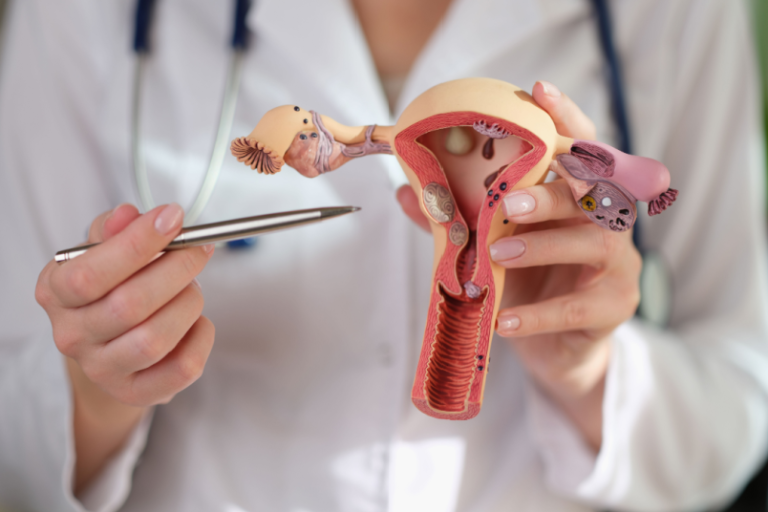
Vaginismus is a condition where the muscles around the vagina tighten involuntarily, making penetration difficult or painful. This tightening is not under conscious control, and it can occur during sexual activity, when inserting a tampon, or during a gynaecological examination. Although the condition can feel overwhelming, it is treatable, and many people go on to have comfortable, fulfilling sexual experiences.
Symptoms of Vaginismus
The main symptom is involuntary tightening of the pelvic floor muscles during attempts at penetration. This may lead to:
- A feeling of burning, stinging or sharp pain
- An inability to insert a tampon or undergo a pelvic examination
- Difficulty having penetrative sex
- Fear, anxiety or strong anticipation of pain related to penetration
- Muscle spasms or clenching around the vaginal area
Some people experience symptoms only in certain situations, while others feel them consistently. The severity can also vary from mild discomfort to intense pain.
How Do I Know If I Have It?
You may suspect vaginismus if penetration is consistently painful or impossible despite relaxation and lubrication. Many individuals also report intense tightening that they feel unable to control. If any of these symptoms apply to you, speaking with a healthcare professional can provide clarity and reassurance.
Causes of Vaginismus
Vaginismus can occur for several reasons, and sometimes there is no obvious cause. Common factors include:
- Past painful sexual experiences
- Anxiety about sex or fear of pain
- Negative associations with sexual activity
- Medical conditions that cause pain, such as infections or skin conditions
- Pelvic floor muscle overactivity
- Relationship stress or emotional concerns
In some cases, both physical and emotional factors contribute. Understanding the underlying cause, when possible, helps guide treatment.
Complications of Vaginismus
Without treatment, vaginismus may lead to ongoing sexual distress, difficulty undergoing necessary medical exams and strain within intimate relationships. Emotional wellbeing can also be affected, sometimes leading to feelings of frustration, shame or isolation. Early assessment and support can prevent these complications.
Diagnosis: How Vaginismus Is Identified
A healthcare professional typically diagnoses vaginismus based on your symptoms, medical history and a physical examination. They may ask questions about when the pain started, how it feels and whether it occurs in all situations or only certain ones. A gentle pelvic examination may be offered, but it is never mandatory; if you prefer not to have one, diagnosis can still often be made. The aim is to support you, not to cause discomfort.
What Happens at Your Appointment?
During your appointment, you will have the opportunity to discuss your symptoms openly. The clinician will explain what vaginismus is, explore possible causes and recommend treatment options. If an examination is needed, it will be conducted with care and at your pace. You are encouraged to ask any questions and share any concerns.
Treatment for Vaginismus
The good news is that vaginismus is treatable, and many people recover fully. Treatment is tailored to your needs and may combine several approaches:
Pelvic Floor Physiotherapy
Pelvic floor therapists help you learn how to relax and control your pelvic muscles. Techniques may include breathing exercises, posture adjustments and gentle internal or external muscle work.
Systematic Desensitisation
This structured approach involves gradually exposing the body and mind to penetration in a safe, controlled way. It often uses vaginal dilators, starting small and progressing at your own pace.
Psychological Therapies
Cognitive behavioural therapy and related approaches can help address anxiety, fear of pain or past experiences that may be contributing to the condition. Therapy can be individual or couple‑based.
Hypnotherapy
Some individuals find hypnotherapy helpful, particularly when anxiety or deep‑rooted tension is a major factor.
Pelvic Floor Exercises
Learning both contraction and relaxation techniques helps improve muscle awareness and control.
Other Approaches
In rare cases, pharmacological support may be recommended, although evidence for medication alone is limited. Treatment is generally most effective when it focuses on behavioural and physical techniques.
How Effective Are These Treatments?
Research shows that systematic desensitisation and pelvic floor therapy are particularly effective, with many individuals achieving comfortable penetration following treatment. Combining psychological and physical approaches typically offers the best results.
What Can I Expect If I Have Vaginismus?
With the right support, the outlook is very positive. Most people who seek treatment notice significant improvement, and many overcome the condition entirely. Recovery times vary, but progress usually begins once you feel informed, supported and in control of your treatment plan.
Support and Resources
Support networks, online communities and pelvic health specialists can all play a role in recovery. Understanding that vaginismus is a common and treatable condition can be incredibly reassuring.
Interventions Studied in Research
Research into vaginismus has examined a range of approaches, including:
- Systematic desensitisation
- Desensitisation combined with group therapy
- In vitro desensitisation
- Pelvic floor exercises alone
- Hypnotherapy
These studies consistently show that behavioural and physical therapies offer strong benefits, especially when customised to the individual.
Explore Advanced Vaginismus Botox Treatment in Dubai
If vaginismus is causing pain, anxiety, or difficulty with penetration, professional treatment can help you regain comfort and confidence. Modern vaginismus Botox treatment in Dubai is an advanced option designed to gently relax involuntary pelvic floor muscle spasms, making penetration more comfortable and allowing other therapies to work more effectively.
Dr. Mahsa Aghaei provides comprehensive evaluations and personalized treatment plans tailored to your symptoms and emotional well-being. Her approach combines medical expertise with compassionate care, ensuring you feel supported throughout your recovery. When appropriate, Botox therapy may be integrated with pelvic floor therapy and guided rehabilitation to achieve the best possible results.
Schedule your consultation with Dr. Mahsa Aghaei today to learn more about vaginismus botox treatment options in Dubai and take the first step toward lasting relief.
Frequently Asked Questions
Is vaginismus the same as painful sex?
No. Painful sex (dyspareunia) can have many causes, but vaginismus specifically involves involuntary muscle tightening that prevents penetration.
Can vaginismus go away on its own?
Some people experience improvement over time, but most benefit from structured treatment, which speeds recovery and reduces anxiety.
Are dilators painful to use?
They should not be painful when used correctly. You start with the smallest size and progress only when you feel ready.
Can I still have a pelvic exam if I have vaginismus?
Yes, but you can also decline or postpone it. Healthcare professionals can adapt the examination or delay it until treatment has progressed.
Is vaginismus psychological or physical?
It can be influenced by both. The physical muscle response is real, even when psychological factors play a role. Treatment often works best when it addresses both aspects.
Can someone who has never had sex develop vaginismus?
Yes. Vaginismus can occur even if you have never been sexually active, as it can be related to muscle tension, anxiety or other physical factors.
How long does treatment take?
Most people see noticeable improvement within weeks or months, depending on the frequency of exercises and the underlying causes.
Conclusion
Vaginismus is a highly treatable condition, and seeking help is an important first step. With the right combination of physical therapy, gradual desensitisation and emotional support, most people achieve full recovery and regain confidence in their bodies.