What Is Vaginal Dryness?
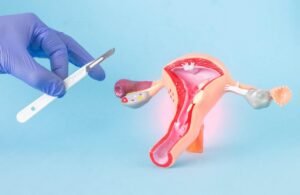
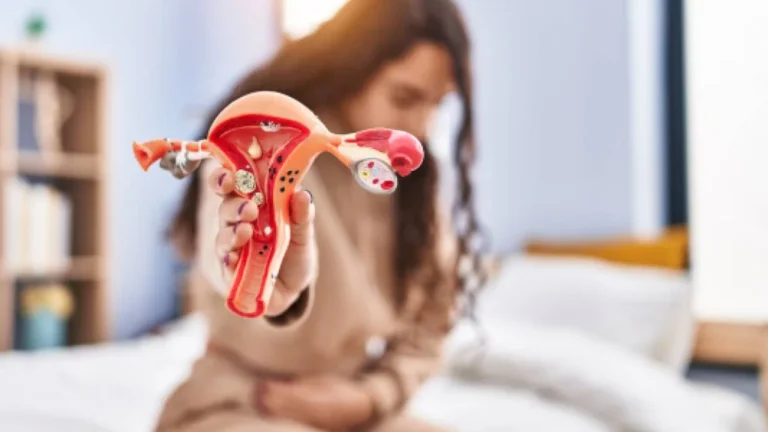
Vaginal dryness refers to a lack of natural lubrication in the vaginal area, often causing discomfort, irritation, and pain—particularly during sexual activity. It’s a common concern among women, especially during and after menopause, but can also affect younger women for various reasons. Understanding the causes and treatments can significantly improve comfort and quality of life.
What Does Vaginal Dryness Feel Like?
Many women describe vaginal dryness as a persistent itchy or burning feeling in the vagina. Other common sensations include discomfort during sex, light bleeding after intercourse, general irritation, or an increased need to urinate. These symptoms can range from mild to severe and may be continuous or occur only under certain conditions, like during intercourse.
Common Symptoms of Vaginal Dryness
- Itching and irritation around the vaginal area
- Pain or discomfort during sex (dyspareunia)
- Burning sensation, particularly when urinating
- Increased frequency or urgency of urination
- Light bleeding after intercourse
What Causes Vaginal Dryness?
There are several reasons a woman may experience vaginal dryness. The most common include:
- Menopause: A drop in oestrogen levels leads to thinning of vaginal walls and reduced lubrication.
- Breastfeeding or childbirth: Hormonal fluctuations temporarily affect vaginal moisture levels.
- Certain medications: Antihistamines, antidepressants, and some cancer treatments can contribute to dryness.
- Stress or anxiety: Emotional strain affects the body’s natural lubrication response.
- Autoimmune or medical conditions: Conditions like Sjögren’s syndrome may result in vaginal dryness.
- Use of perfumed soaps or douches: These can irritate the sensitive vaginal tissues.
How Is Vaginal Dryness Diagnosed?
Diagnosis typically begins with a discussion of symptoms and a physical examination. A healthcare provider may examine the vaginal walls for thinning, dryness, or redness. In some cases, a pelvic exam or vaginal swab may be done to rule out infection or other underlying conditions. If menopause is suspected as the cause, no additional tests may be needed.
How Is Vaginal Dryness Treated?
Treatment depends on the underlying cause and severity of the symptoms. Options may include:
- Lubricants: Water- or silicone-based lubricants can ease discomfort during sex.
- Vaginal moisturisers: Regular use helps maintain vaginal hydration, regardless of sexual activity.
- Oestrogen therapy: Low-dose vaginal oestrogen, available as creams, tablets, or rings, can effectively restore moisture.
- Oestrogen-free options: For women who can’t use hormones, non-hormonal medications or devices may offer relief.
- Lifestyle adjustments: Avoiding irritants, practising stress reduction, and maintaining sexual activity may help.
Vaginal Dryness After Menopause: What to Know
After menopause, oestrogen levels decrease significantly, often resulting in vaginal atrophy and dryness. The tissues become thinner and less elastic, increasing discomfort. Localised hormone therapy is often recommended and has fewer systemic effects than oral hormone pills. It’s a common and treatable condition with the right care.
Can Vaginal Dryness Be Prevented?
While not all causes are preventable, certain steps can reduce your risk or manage symptoms more effectively:
- Stay sexually active to promote blood flow and natural lubrication
- Avoid perfumed soaps, douches, and tight-fitting clothing
- Use a vaginal moisturiser regularly
- Stay hydrated and eat a balanced diet
- Manage stress and mental wellbeing
Risks of Not Treating Vaginal Dryness
Ignoring vaginal dryness may lead to worsened discomfort, chronic infections, and a reduced interest in intimacy. Over time, untreated dryness can also impact mental and relational wellbeing, contributing to anxiety or feelings of inadequacy. Early treatment helps prevent complications and restores everyday comfort.
When Should You See a Doctor?
If you experience persistent vaginal dryness that causes discomfort, affects sexual activity, or is accompanied by unusual discharge or bleeding, it’s time to consult a healthcare provider. A professional assessment ensures appropriate treatment and rules out other health issues like infections or hormonal imbalances.
Resources and Support
Support is available through healthcare services, helplines, and women’s health clinics. Education, counselling, and peer support groups can also play a role in managing this condition more effectively.
Consult a Trusted Female Doctor for Vaginal Dryness in Dubai
If you are experiencing persistent vaginal dryness, discomfort, or pain during intimacy, professional medical care can help identify the cause and provide effective relief. Seeing a qualified female doctor for vaginal dryness in Dubai ensures you receive personalized care in a comfortable, respectful, and supportive setting.
Dr. Mahsa Aghaei offers comprehensive evaluations and customized treatment plans based on your symptoms, hormonal health, and medical history. Her approach includes detailed medical assessment, hormone evaluation when needed, and evidence-based treatments designed to restore vaginal moisture and improve your overall comfort and well-being. With expert care and ongoing support, many patients experience lasting relief and improved quality of life.
Schedule your consultation with Dr. Mahsa Aghaei today to receive expert care and a personalized treatment plan for vaginal dryness in Dubai.
Frequently Asked Questions
Is vaginal dryness normal after menopause?
Yes, it’s a common symptom caused by decreased oestrogen levels. Fortunately, many effective treatments are available to restore comfort.
Can young women experience vaginal dryness?
Yes. It can affect women of all ages due to stress, medication, breastfeeding, or medical conditions.
Are over-the-counter lubricants safe to use?
Absolutely. Choose water-based or silicone-based lubricants without added fragrances or harsh chemicals.
What’s the difference between moisturisers and lubricants?
Lubricants are used during intercourse to reduce friction, while moisturisers are used regularly to maintain vaginal moisture.
Can vaginal dryness be completely cured?
With proper treatment and lifestyle changes, many women find long-term relief. Individual results can vary depending on the underlying cause.