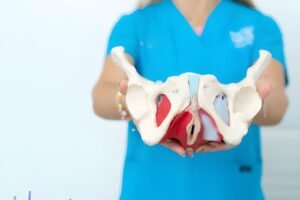

First, let’s calm this down a bit. Bodies change. That includes this area. What you’re noticing isn’t rare. It’s common. Most women just don’t talk about it out loud. The word “saggy” usually comes from comparison. Old photos. Social media. Before and after childbirth. Before and after hormones shifted. The body doesn’t stay frozen in one version. Under the care of Dr. Mahsa Aghaei, this question is handled without embarrassment. Because it’s not embarrassing. It’s anatomy.
Age Plays a Role
Skin changes with time. Everywhere. Not just the face. Collagen reduces slowly over the years. Tissue becomes softer. Less firm. That includes the labia and surrounding skin. This doesn’t mean something is wrong. It means the body is aging normally.
Childbirth Changes Things
Pregnancy stretches tissue. Vaginal delivery stretches it more. Some women notice changes in shape or firmness afterwards. Others don’t. It depends on genetics, healing, and how the birth went. Even with full recovery, tissue may not feel exactly like it did before. That’s not failure. That’s biology.
Hormones Matter More Than People Think
Oestrogen supports skin and tissue strength. When hormone levels drop, tissue can feel thinner or looser. This often happens after menopause. It can also happen after breastfeeding or certain medical treatments. The shift can be gradual. One day, you just notice something feels different.
Weight Changes and Body Fat
Weight gain or loss affects skin elasticity. Rapid changes can stretch tissue and make it appear looser. Fat distribution also shifts with age. The area may look different simply because the body stores weight differently now. Again, this is common. It’s rarely discussed.
Sometimes It’s Just Perception
Lighting. Grooming habits. Comparing yourself to edited images online. A lot of what women think is “sagging” is actually normal variation. There isn’t one fixed shape. Or one correct look. Dr. Mahsa Aghaei often reassures patients that what they’re seeing is within a healthy range.
When It Might Need Medical Advice
If sagging comes with discomfort, pain, or a feeling of heaviness, that’s different. Pelvic floor weakness or prolapse can create a dragging sensation. That needs proper assessment. But simple looseness in skin or tissue without symptoms is usually not a medical problem.
What Can Be Done, If It Bothers You
Some women are fine once they understand it’s normal. Others want options. Pelvic floor exercises can improve internal support. Hormonal treatments may help in certain cases. Some women explore non-surgical treatments for firmness. Dr. Mahsa Aghaei discusses options only if you ask. No pushing. No judgment. The first step is understanding what’s actually happening.
The Emotional Side of It
This question often carries insecurity. Intimacy worries. Confidence dips. Fear of not looking “normal”. The truth is, most bodies don’t look like edited images. And partners rarely notice what you think they do. Still, your feelings matter. If it bothers you, it’s worth talking about.
Final Thoughts
If you’re wondering why your private part looks or feels saggy, you’re not alone. Age, childbirth, hormones, and weight changes are all common reasons. Most of the time, it’s normal tissue responding to natural body changes. Consulting a vaginal tightening specialist Dubai, such as Dr. Mahsa Aghaei, can help you understand these changes clearly and explore safe options if needed. These concerns are handled with care, honesty, and professionalism. Bodies change, and that does not mean they are broken.
Frequently Asked Questions
Is it normal for the private area to look or feel saggy?
Yes, it is very common. Ageing, childbirth, hormonal changes, and natural body differences can all affect tissue firmness over time.
Does childbirth cause sagging in the vaginal area?
Childbirth can stretch vaginal and surrounding tissues. While many women heal well, some may notice long-term changes in firmness or shape.
Can hormonal changes affect vaginal tissue?
Yes, lower oestrogen levels, especially after menopause or breastfeeding, can make tissue thinner, softer, or less firm.
When should I see a doctor about sagging in the private area?
You should seek medical advice if sagging is linked to pain, discomfort, heaviness, or bladder control issues, as these may indicate pelvic floor problems.
Are there treatments available if sagging bothers me?
Yes, options may include pelvic floor exercises, hormonal therapy, or non-surgical treatments. A gynaecologist can recommend suitable solutions based on your needs.