

HPV Testing in Dubai
By Dr. Mahsa Aghaei – Focused. Personal. Gynecology.
HPV (Human Papillomavirus) is the most common sexually transmitted infection worldwide. While most cases clear naturally, certain high-risk strains can silently cause cervical cell changes that may progress to cancer over time.
The good news? Cervical cancer is one of the most preventable cancers when caught early.
Dr. Mahsa Aghaei offers private, confidential HPV screening in a judgment-free environment. Every concern is heard. Every option is explained clearly.
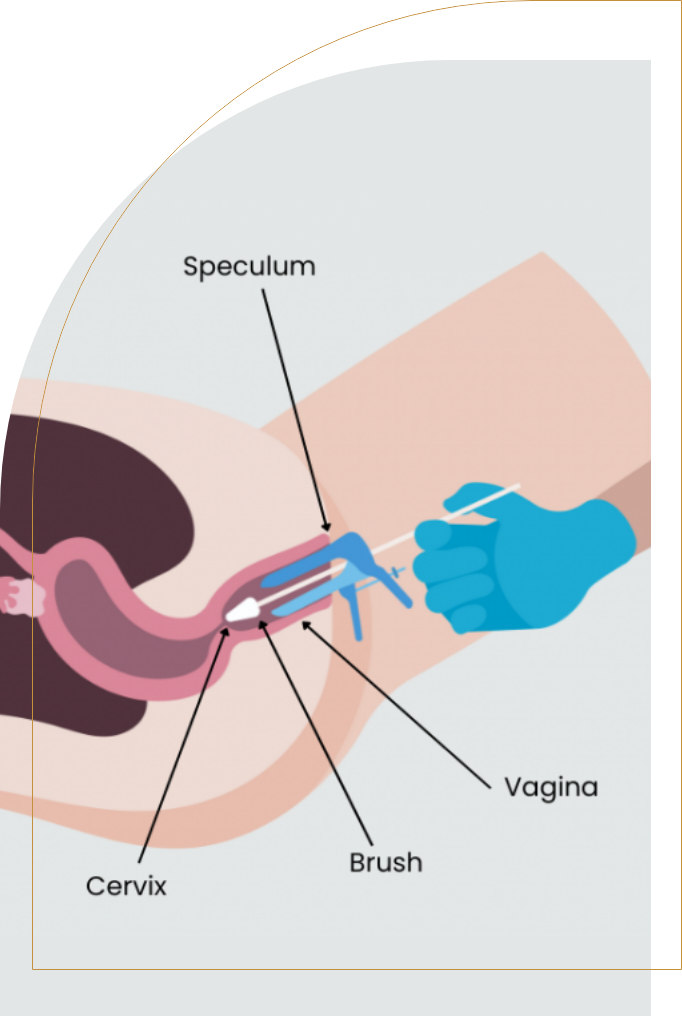
What Happens During Your HPV Test
Step-by-step process
- You're positioned comfortably on the examination table
- A speculum is gently inserted to access the cervix
- A soft brush collects cervical cells (takes only seconds)
- Sample is sent to the lab for HPV DNA analysis
Results typically available within 5–7 working days.
The entire procedure takes 5–10 minutes. Most women feel only mild pressure. You can resume normal activities the same day.
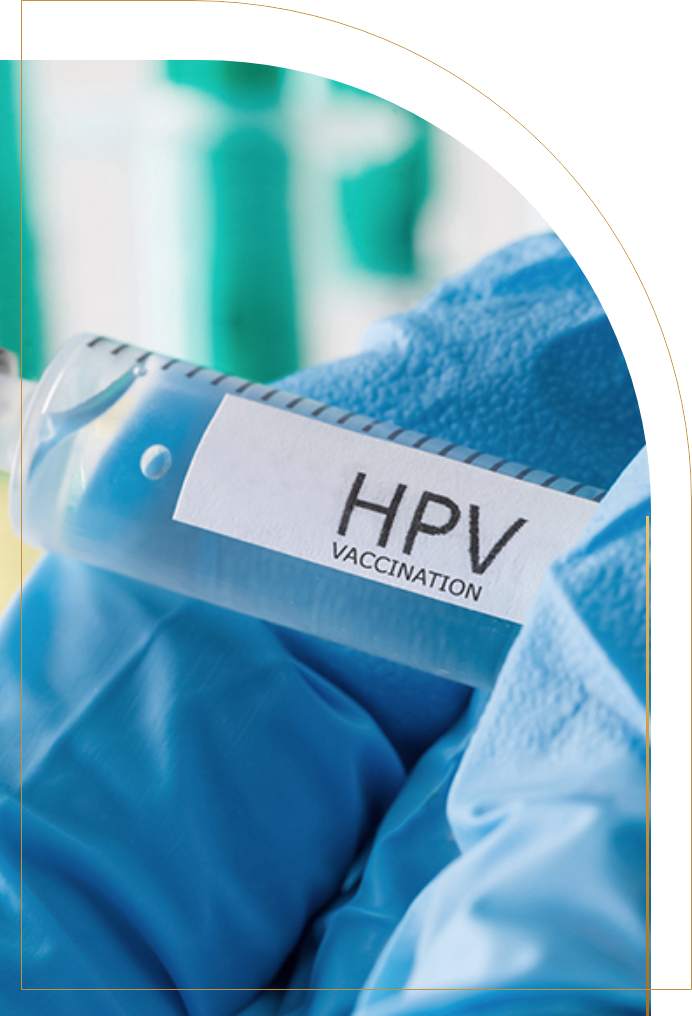
When Should You Get an HPV Test?
HPV testing is recommended for women aged 30–65 as part of routine cervical cancer screening. However, you may want to consider earlier or more frequent testing if:
- You’ve had an abnormal Pap smear or HPV result in the past
- You have a weakened immune system (HIV, immunosuppressant therapy)
- You have multiple sexual partners or a partner with multiple partners
- You smoke
- You were not vaccinated against HPV
- You have a personal or family history of gynecological cancers
Important: You do not need symptoms to get tested. Most women who benefit from HPV testing feel completely fine.
HPV Test or Pap Smear?
These are two different tests that look for different things. An HPV test detects the virus itself (DNA/RNA), while a Pap smear looks for abnormal cell changes.
The HPV test is more sensitive — it can detect a problem even before cell changes appear, giving you a 5–10 year head start compared to a Pap smear alone.
Co-testing (both together) every 5 years offers the highest level of protection. If both come back negative, your risk of cervical cancer in the next five years is remarkably low.
Dr. Mahsa will advise which approach is right for your situation.
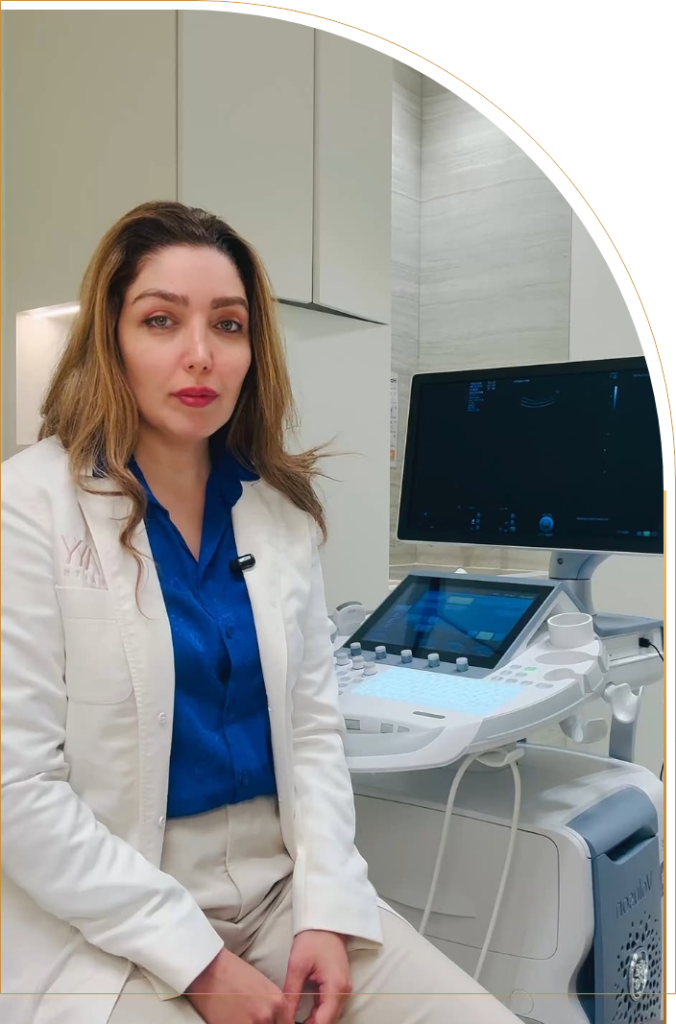
Why Choose Dr. Mahsa Aghaei?
Choosing where to have a gynecological test matters. Dr. Mahsa offers something rare in Dubai: focused, one-to-one care where you’re truly seen as an individual.
- A specialist, not a generalist — Her practice is dedicated entirely to women’s gynecological health
- Private and personal by design — No long waits, no rotating doctors. You speak directly with Dr. Mahsa from start to finish
- Zero judgment, complete confidentiality — Everything you share remains completely private
- Medically accurate, plainly explained — Every result and recommendation is explained in language that makes sense to you
- Compassionate care for anxious patients — Dr. Mahsa goes at your pace with no pressure
Understanding Your HPV Test Results
Results are typically available within 5–7 working days. Dr. Mahsa will review them with you personally and explain what they mean in plain language.
HPV Negative — No high-risk strains detected. Your risk of cervical cancer is very low. Next screening in 3–5 years.
HPV Positive + Normal Pap — The virus was detected but hasn’t caused cell changes yet. A follow-up test in 12 months will check if your immune system has cleared it.
HPV Positive + Abnormal Pap — A colposcopy (closer examination) is recommended. Early detection means more treatment options and better outcomes.
Important perspective: A positive HPV result does not mean you have cancer. Approximately 90% of HPV infections clear naturally within two years. Effective treatment is available at every stage.
Frequently Asked Questions
No — they're different tests. A Pap smear examines your cervical cells for abnormalities, while an HPV test detects the virus itself. Both are often done together (co-testing) for best results.
Results are typically available within 5–7 working days. Dr. Mahsa will contact you personally to discuss your results and explain any next steps.
A positive result does not mean you have cancer. Depending on your Pap smear findings, Dr. Mahsa will recommend a follow-up plan — which may be a repeat test in 12 months or a colposcopy for a closer look.
Most women experience only mild pressure or a brief cramp-like sensation during the sample collection, which takes just a few seconds. You can return to normal activities the same day.
For women aged 30–65, co-testing every 5 years is standard. Women with abnormal results or other risk factors may need more frequent testing. Dr. Mahsa will advise the right schedule for you.
Please fill out the online registration form below and our friendly reception team will get back to you.
Ready to Take the Next Step?
Take the first step toward early detection and peace of mind. Dr. Mahsa Aghaei offers private, confidential HPV screening in a judgment-free environment. Every concern is heard. Every option is explained clearly.